
⚙️ Traces from the dawn of innovation
QR Code Finder Patterns Made Phone Scanning Easy
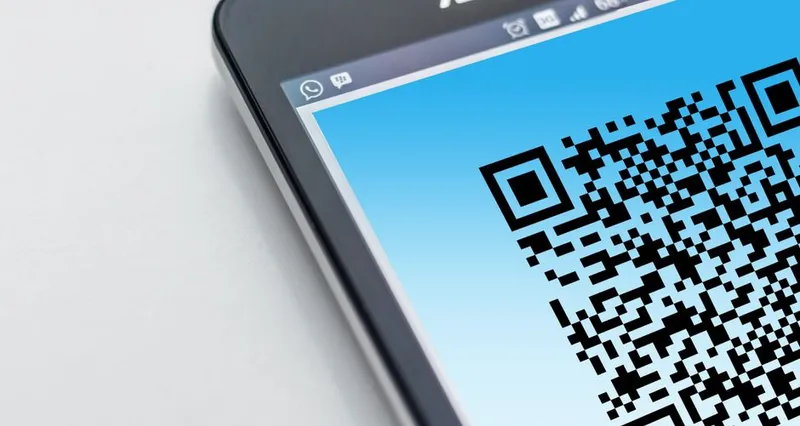
- What: QR codes scan reliably on phones because their three corner finder patterns were originally designed in the 1990s to help machines detect and orient codes quickly in industrial settings.
- Where: Japan and factory floors.
- When: The 1990s.
QR codes work so reliably on phones for a reason that started on factory floors, not in app design. When Denso Wave developed the QR code in Japan in the 1990s, the symbol was built to be read quickly from different angles, and its three large square finder patterns were key.
QR Code Finder Patterns
The idea was practical. In manufacturing, scanners could not depend on a label being perfectly lined up every time. Parts moved quickly. Labels could be rotated. Workers needed something a machine could spot instantly. So the QR code was designed with three square markers in three corners. Those patterns help a scanner locate the code, detect its orientation, and separate it from surrounding visual noise.
That sounds like a small design choice, but it changed how easy the code was to use outside factories. A phone camera is not a dedicated industrial scanner. It deals with shaky hands, glare, bad focus, odd angles, and cluttered backgrounds. The finder patterns gave phone software a strong visual anchor. Even when a code is tilted or slightly distorted, the camera can usually figure out where the code begins, how it is rotated, and how to sample the grid correctly.
Why Phones Scan QR Codes Easily
This is why QR codes often feel more forgiving than older one-dimensional barcodes. A traditional barcode usually wants a cleaner scan path across a set of lines. A QR code gives the software more structure to lock onto. The three corner squares, along with the timing patterns inside the symbol, make the code easier to detect and decode quickly on an everyday device.
The result is straightforward: a manufacturing decision made QR codes unusually well suited to the messy conditions of consumer use. Phones did not make QR codes smart. QR codes were already built to survive imperfect scanning.
Factory Design to Phone Use
That is the concrete reason a code on a restaurant table, a train poster, or a package can still scan when the camera is slightly off-center or rotated. The three finder patterns that once helped track parts in production are still doing the same job on a phone screen today.
Did You Know?
QR stands for “Quick Response.”