
🌿 Stories carved by wind and water
Patagonian Fjords Help Giant Kelp Survive Ocean Warming
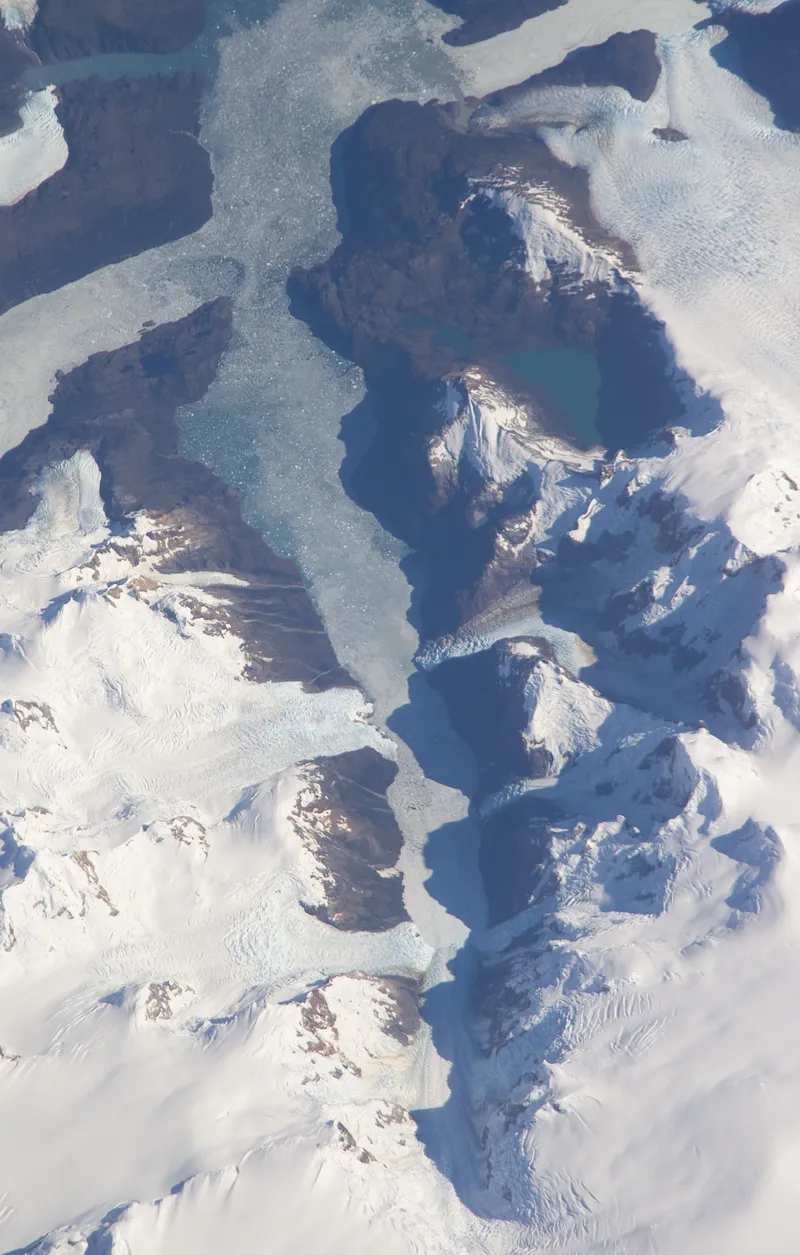
- What: Patagonian fjords in southern Chile can stay cold enough to act as refuges for giant kelp as warming seas reduce kelp in other regions.
- Where: Southern Chile, especially the Patagonian fjords.
- When: In the context of current ocean warming.
In southern Chile, Patagonian fjords are doing something unusual: they are helping giant kelp survive as warmer seas put pressure on kelp forests in other places. These long, cold inlets create local conditions that can act as refuges for a species that depends on cool water.
Why Patagonian Fjords Stay Cold
When ocean temperatures rise across open coastlines, giant kelp can thin out, shrink back, or disappear. That pattern has shown up in several warming regions around the world. But the fjords of Chilean Patagonia are different. Fed by heavy rainfall, river runoff, glacial melt, and deep exchanges with the Pacific, many of these waterways stay colder than surrounding coastal areas. In practical terms, that means the water giant kelp needs is still available in pockets, even when nearby seas trend warmer.
That does not make the fjords immune to change, and it does not mean every kelp forest there is secure. Fjord systems are complicated. Salinity can shift. Light levels can change with sediment and freshwater input. Local currents matter. Still, the overall pattern is important: if a cold-water species is losing ground in exposed regions, these sheltered southern channels may give it more time and more space to persist.
Giant Kelp Forest Habitat
The reason that matters goes beyond one large seaweed. Giant kelp forests function as habitat, feeding grounds, and underwater structure for many marine species. If kelp remains in these cold refuges, then some of the ecological roles tied to kelp forests may remain in place too. The consequence is straightforward: in a warming ocean, survival may depend less on broad latitude alone and more on small-scale places where temperature and water conditions stay within a species’ limits.
Southern Chile Kelp Refuges
So the key fact about southern Chile is concrete, not symbolic. Its Patagonian fjords are not just dramatic geography on a map. They are localized cold-water refuges where giant kelp can continue to grow, offering a clear example of how regional ocean conditions can shape which marine ecosystems hold on and where.
Did You Know?
Giant kelp can grow very quickly, with some plants extending up to about two feet in a single day under good conditions.