
🏺 Recovered from the dusty archives
Doolittle Raid Survivors in China and the Deadly Aftermath
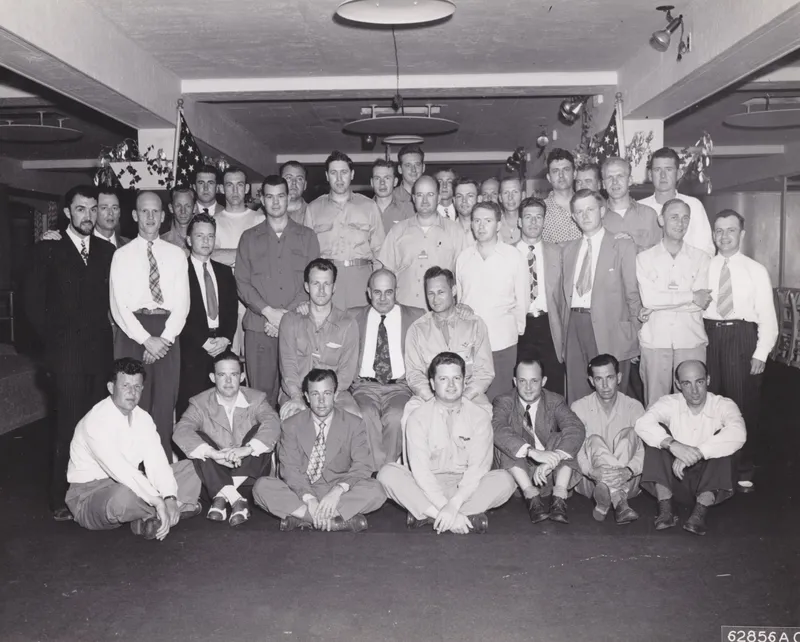
- What: The Doolittle Raid’s surviving American airmen were helped to safety by Chinese civilians and resistance networks, and the rescue was followed by severe Japanese reprisals against local communities.
- Where: Eastern China, especially Zhejiang and Jiangxi.
- When: 1942, during and after the Doolittle Raid.
In April 1942, after the Doolittle Raid struck Tokyo, most of the American bomber crews did not return to a carrier or a safe base. They flew west into darkness, low on fuel, aiming for Chinese airfields they often could not reach.
Doolittle Raiders in China
What followed on the ground is the part that is easier to miss. Several aircraft crash-landed, or their crews bailed out, over eastern China, especially in Zhejiang and Jiangxi. Surviving airmen scattered into unfamiliar countryside. Chinese civilians and local resistance networks hid them, fed them, moved them from village to village, and helped guide many of them toward safety.
This was not a symbolic gesture. It was an immediate wartime decision made under occupation, with the Japanese military nearby and the risks obvious. Some Americans were carried when they were injured. Others were disguised, concealed in homes, or moved at night. Most of the 80 raiders eventually survived, in large part because Chinese civilians intervened.
Japanese Reprisals in Zhejiang and Jiangxi
The balance of the story matters. The raid itself was militarily limited but psychologically important for the United States, showing that Japan could be struck months after Pearl Harbor. For Chinese communities, though, the consequences could be catastrophic. Japanese forces responded with a major campaign in Zhejiang and Jiangxi in 1942, partly to punish areas believed to have assisted the fliers and to destroy airfields that might support future attacks.
The reprisals were brutal. Exact death tolls vary by source, but historians widely describe mass killing, village destruction, and the use of biological and chemical warfare in some areas. Chinese civilian deaths during the campaign are often estimated in the hundreds of thousands, though precise numbers remain disputed. The airmen’s escape, remembered in American accounts as an episode of daring survival, was linked in China to a much larger disaster that civilians had to absorb.
Chinese Civilians and the Aftermath
That is the hard consequence at the center of this story: the survival of many Doolittle Raiders depended on people who had far less protection than the men they rescued. The Americans became part of a famous wartime mission. The villagers who hid them were left in the path of retaliation.
So the concrete historical picture is not just B-25s over Tokyo in 1942. It is also farmhouses in eastern China, wounded crews being passed along in secret, and then Japanese troops entering the same region to punish the people who had made those escapes possible.
Did You Know?
Several of the raiders were aided by the Chinese Nationalist government’s secret service network, which helped move survivors between safe houses.