
⚙️ Traces from the dawn of innovation
3.5mm Headphone Jack Origin: Older Than You Think
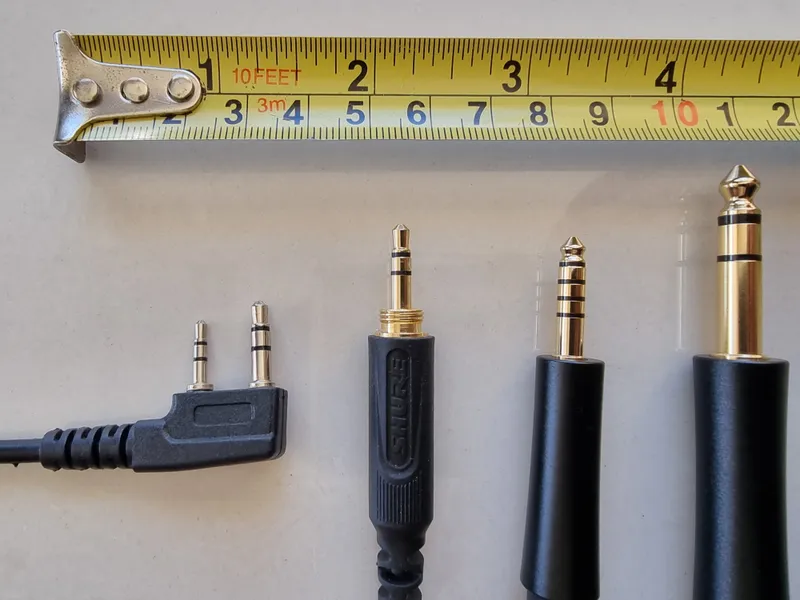
- What: The 3.5mm headphone jack evolved from older quarter-inch audio and switchboard connectors, rather than being invented for modern phones.
- Where: Telephone switchboards, radio gear, and early consumer audio equipment.
- When: Its roots go back to the late 19th century, with later miniaturization in the mid-20th century.
The 3.5mm headphone jack did not begin as a feature for modern phones. It came from a much older piece of hardware: a smaller version of the 6.35mm plug, the quarter-inch connector long used in telephone switchboards, radio gear, and early audio equipment.
Quarter-Inch Plug Origins
That larger plug dates back to the late 19th century, when telephone operators needed a reliable way to patch calls by hand. In switchboards, plugs had to be sturdy, simple, and easy to insert thousands of times. The quarter-inch format became a practical standard. Later, it moved into other electronics, including early headphones, amplifiers, and musical equipment, because industry already knew how to build around it.
The 3.5mm plug, often called the mini-jack, was essentially a scaled-down descendant. As consumer electronics got smaller in the mid-20th century, manufacturers needed a connector that kept the same basic idea without taking up as much space. Miniature transistor radios helped make that smaller plug familiar to the public. Portable listening needed compact parts, and the 3.5mm jack fit that need well.
Why the 3.5mm Jack Lasted
That is the key correction to a very common assumption: the 3.5mm jack was not originally invented for mobile phones. By the time phones began using it widely decades later, the connector was already old technology. It had survived because it was cheap, mechanical, easy to understand, and compatible with a huge ecosystem of existing audio gear.
There were variations along the way. Different devices used different sizes, including 2.5mm sub-mini plugs and quarter-inch connectors, depending on space and purpose. But the 3.5mm format became especially sticky because it balanced durability and compactness better than many alternatives for everyday portable audio.
From Switchboards to Portable Audio
So the hard fact is this: the 3.5mm headphone jack is less a phone-era invention than an inherited industrial design. Its roots run back through transistor radios and earlier consumer audio, all the way to telephone switchboards built long before digital devices existed.
Did You Know?
The TRRS version of the 3.5mm plug can carry stereo audio plus a microphone signal in one connector, which helped it become common on many portable devices.