
🎭 Fragments from the heart of civilization
Fanny von Arnstein Album Shows Vienna Salon Guests
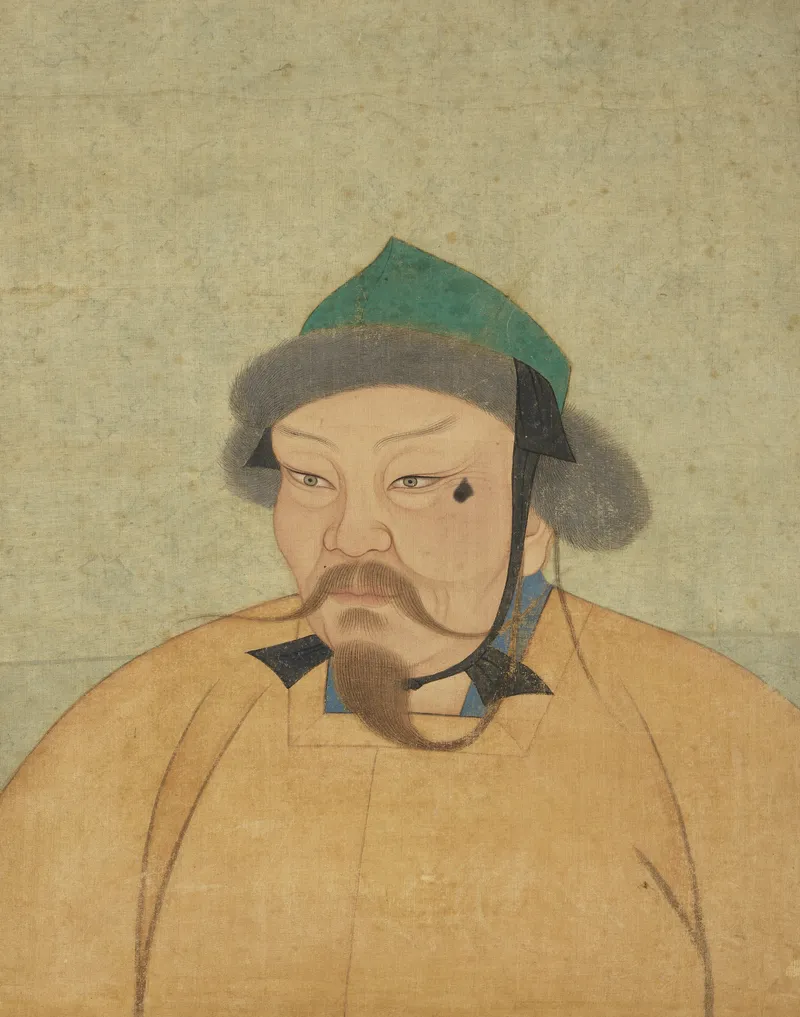
- What: An album of 30 portraits from Fanny von Arnstein’s salon provides a visual record of the guests and helps historians identify who belonged to her elite social circle.
- Where: Vienna
- When: Turn of the 19th century, especially the late 18th and early 19th centuries
One surviving album from Fanny von Arnstein’s salon in Vienna does something rare: it lets us see the circle, not just read about it. The album preserves 30 portraits of guests, turning a famous social setting into a visible group of actual faces.
Why the Album Matters
That matters because salons are usually reconstructed from letters, memoirs, and scattered references. Those sources can tell us who was invited, who impressed whom, or which conversations mattered. But they are selective, sometimes self-serving, and often vague. An album of portraits is different. It is an object that fixes presence. It shows who was important enough to be included, and it gives a more concrete sense of the social network gathered around Fanny von Arnstein.
Fanny von Arnstein, active in Vienna around the turn of the 19th century, is often mentioned in accounts of elite urban sociability. Her salon brought together members of high society, diplomats, intellectuals, and cultural figures. It should not be exaggerated into a command center of European history. But it was clearly a place where people of influence met, and the album helps define that claim with something more solid than later memory.
Portraits of Vienna Salon Guests
The portraits themselves are the key. Instead of an abstract idea of “the salon,” the album presents a curated set of visitors. That curation matters. It does not give a complete census of everyone who ever entered the room. It gives a record of who was chosen to represent the milieu. In that sense, the album is both evidence and interpretation: a document of relationships, status, and belonging inside one elite Viennese circle.
There is also a broader historical point here. In the late 18th and early 19th centuries, salons were often described through wit, conversation, and reputation, which can make them feel intangible. This album pulls that world back into material culture. It reminds us that sociability also left objects behind: albums, portraits, seating plans, invitations, and other traces that historians can read against memoirs and correspondence.
Material Evidence of Sociability
So the significance of Fanny von Arnstein’s album is not just that it is elegant or unusual. It gives historians a specific visual roster of 30 guests in a Viennese salon otherwise known mainly through text. Instead of a generalized story about elite gathering, we get a concrete record of who belonged to that room.
Did You Know?
Salons were often reconstructed from letters and memoirs, but this album is unusual because it fixes the presence of guests in a physical, visual source.