
🧩 Fragments from the unknown
8 Postcard Details That Can Help Map Crimes
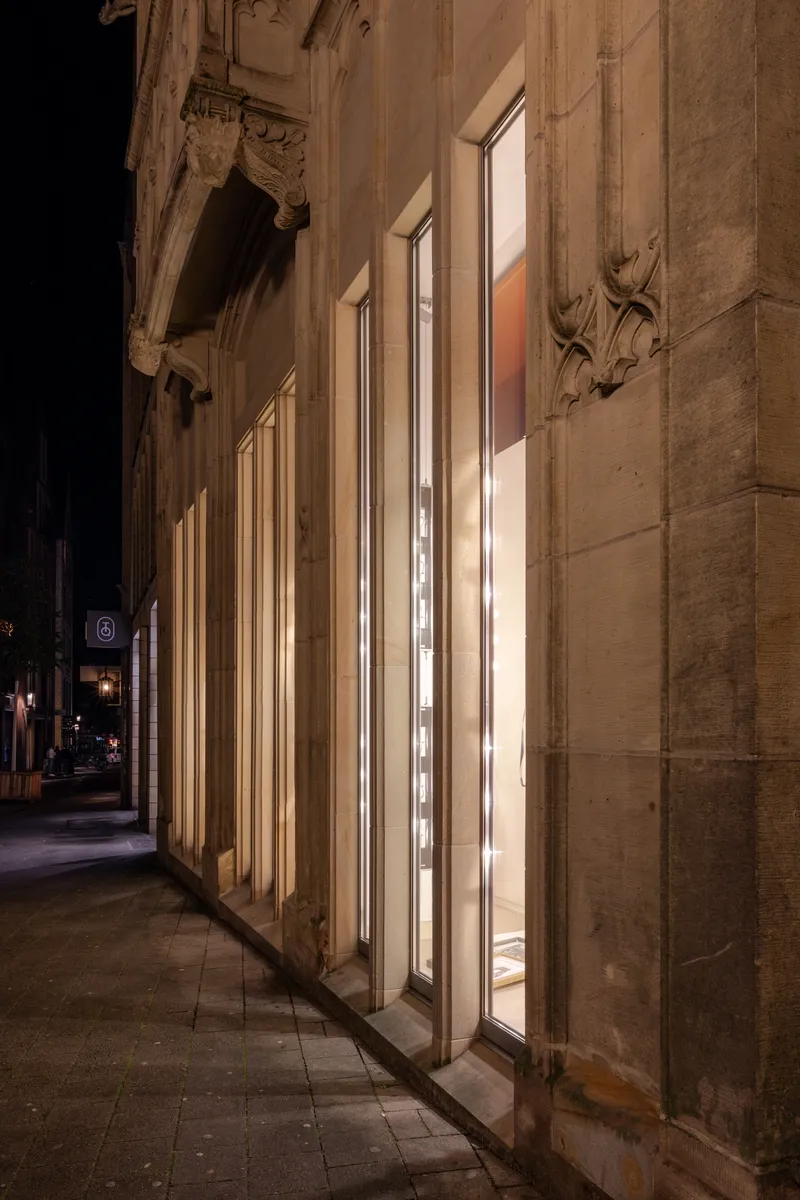
- What: The article explains how small background details in postcards and souvenir photos can help investigators narrow place, time, or connections in mystery cases.
- Where: Tourist and roadside settings shown in postcards and souvenir images.
- When: Not specific; it applies to cases involving postcards from different periods, especially where older images preserve details that later changed.
Postcards look harmless: skyline shots, roadside views, souvenir store windows. But in mystery cases, those frozen details can matter far more than the front image would suggest.
These eight postcard details show how tourist postcards and souvenir photos can quietly help fix a place, narrow a time frame, or connect scenes. Sometimes the clue is obvious. Sometimes it is buried in the background.
1. Rooftop antenna alignment
A skyline postcard can become a time marker if one rooftop antenna stands out. If that antenna existed only briefly, its appearance can narrow the image to a short window and tie it to a specific neighborhood.
That is what makes this detail so useful. A postcard that seems generic at first can suddenly become dateable, not by the caption, but by one structure in the distance.
2. Graffiti tag compared with surveillance photos
A graffiti tag on a souvenir card might look like visual noise. But if the same tag appears in CCTV stills linked to a crime, it can help connect locations or tighten a timeline.
The surprise is how portable the clue is. A wall mark caught in a postcard background can become a comparison point when other evidence is thin or unconfirmed.
3. Billboard in the background with a dated ad
A roadside postcard with a billboard in the distance can do more than show scenery. If the ad campaign is datable, the image may narrow travel to the period the promotion actually ran.
That matters because ads change fast. One background billboard can turn a broad estimate into a much smaller time frame.
4. Reflection of a passerby in shop glass
A shop window on a postcard can hold more than merchandise. In a faint reflection, a passerby may appear just clearly enough to show identifying features, such as a distinctive tattoo, for later comparison.
It is an unsettling clue because it was never meant to be the subject. The person is almost hidden, yet the glass can preserve details that investigators might compare with later images.
5. Missing bridge detail pinpointing a location
A bridge shown before a rebuild can lock a postcard to a now-altered stretch of riverbank. If later changes removed or reshaped that feature, the older view may help geolocate an event more precisely.
The power here is in what is missing today. A postcard can preserve a structural detail that no longer exists, making modern confusion easier to cut through.
6. Faint license plate fragment on a passing car
A passing car on a postcard usually fades into the scene. But a partial license plate fragment, even if incomplete, can potentially be checked against partial-plate registries to narrow candidates.
That does not produce definitive proof by itself. Still, one blurred sequence of letters or numbers can reduce a huge field to a smaller, more workable list.
7. Shop window display with a serial-numbered souvenir
A souvenir-shop window can accidentally expose a manufacture number on an item for sale. If that serial number is readable, it may be cross-checked against sales records or pawn records to trace possession.
That is where an ordinary display turns investigative. The clue is not the shop itself, but the specific object sitting in plain view.
8. Small stain consistent with a chemical spill report
Even damage on a postcard can matter. A blotch on the lower corner of a seaside card, if consistent with a logged chemical spill pattern from that period, could help place the image within a specific incident window.
This is also the most uncertain kind of clue. Without definitive proof, a stain match remains suggestive rather than conclusive, but it can still sharpen timing when paired with other details.
What makes these postcard clues so compelling is their scale. The biggest break may sit in the smallest corner: a reflection, a stain, an ad, or one rooftop shape frozen in the background.
Did You Know?
Real photo postcards became especially popular in the early 20th century because they let photographers produce small photographic prints directly onto postcard stock.