
🚀 Whispers from the silent cosmos
The Limits of Our Observable Universe Explained
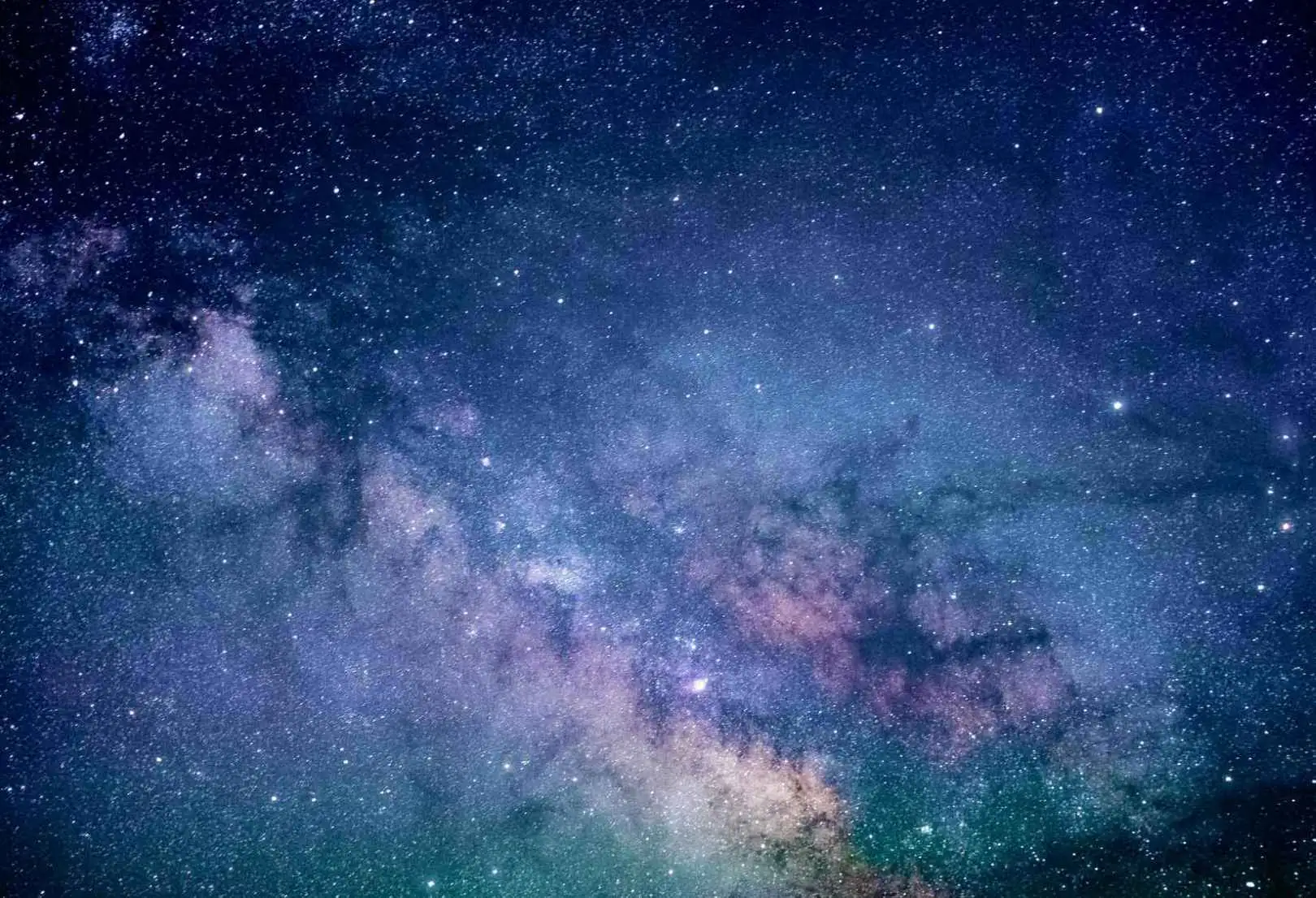
- What: The observable universe is about 93 billion light-years in diameter, but it is only a small part of the entire cosmos due to the limits of cosmic expansion.
- Where: Outer space.
- When: Approximately 13.8 billion years ago, with ongoing expansion.
The observable universe stretches an astonishing about 93 billion light-years in diameter. But hold on—this vast expanse is just a tiny fraction of the entire cosmos.
Why is that? The answer lies in the universe’s finite age and the relentless expansion driven by dark energy. This cosmic growth means there’s a limit to how far we can see, known as the cosmic horizon.
Imagine standing on a beach, staring at the horizon. No matter how far you look, you can’t see the other side of the ocean. In a similar way, the universe has its own horizon. Beyond this boundary lies a realm that remains forever out of our reach, obscured by time and space.
Our universe began with the Big Bang, approximately 13.8 billion years ago. As it expanded, distant galaxies raced away from us at incredible speeds. Those galaxies that are now over 46 billion light-years away were once much closer, but their light has taken eons to reach us.
So, while we gaze into the cosmos, marveling at the stars and galaxies, we’re only seeing a snapshot of a far more complex and expansive reality. This leaves us with a profound question: What lies beyond the cosmic horizon? The answer remains a tantalizing mystery, fueling our curiosity about the universe.
Did You Know?
The observable universe is often cited as containing about two trillion galaxies.