
🏺 Recovered from the dusty archives
Cleopatra's Egyptian Fluency Changed How She Ruled Egypt
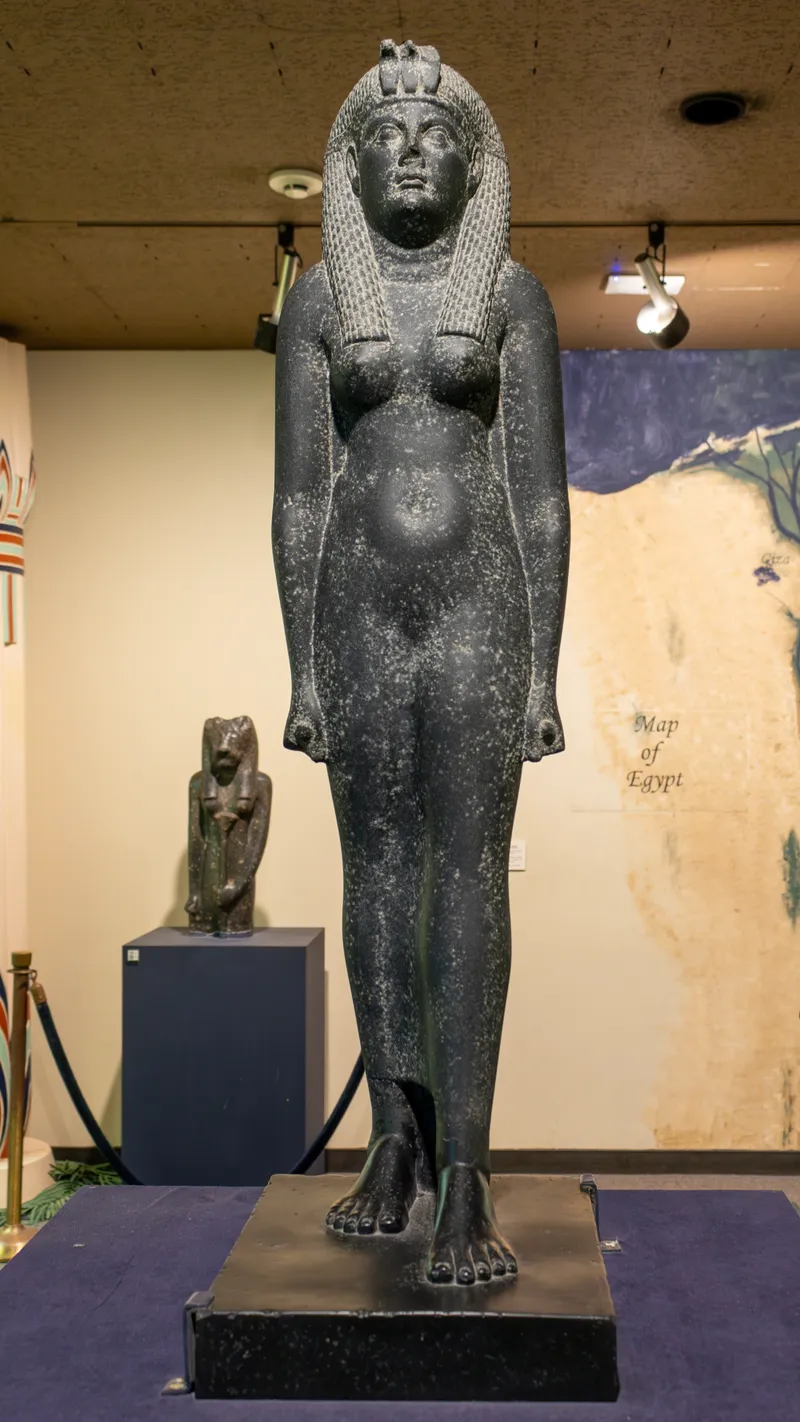
- What: Cleopatra VII is said to have learned Egyptian well enough to speak directly with priests and local elites, using language as a tool of legitimacy and political connection in Egypt.
- Where: Egypt, especially the Ptolemaic court world and temple institutions.
- When: Ptolemaic Egypt, after Alexander the Great’s conquest and during Cleopatra VII’s reign in the first century BCE.
Cleopatra VII was not just another Greek-speaking ruler in Egypt. Ancient sources indicate that she learned Egyptian well enough to use it directly, and she is often described as the first of the Ptolemaic monarchs to do so, and that mattered far beyond court etiquette.
The Ptolemies had ruled Egypt since the late fourth century BCE, after Alexander the Great’s conquest. They were a Macedonian Greek dynasty, and for generations they governed a country whose temples, priesthoods, and local elites operated in Egyptian as well as Greek. A ruler could still control the state through officials and interpreters. But that also kept a distance in place. Cleopatra appears to have narrowed that distance herself.
Cleopatra and the Egyptian Language
Plutarch, writing later, says Cleopatra knew the languages of many peoples and did not often need interpreters when dealing with them. Modern historians are cautious about how far to press that claim, but her knowledge of Egyptian is widely accepted. What makes that especially significant is not just that she spoke another language. It is who that language connected her to inside Egypt.
Temples were not only religious centers. In Ptolemaic Egypt, they were also economic institutions, landholders, archives, and hubs of local influence. Priests mattered politically. So did regional elites outside the Greek-speaking court world of Alexandria. If Cleopatra could address Egyptian priests and notables directly, even part of the time, she was doing more than showing respect. She was changing the terms of contact between the dynasty and the people who helped stabilize the kingdom.
Egyptian Priests and Royal Power
That helps explain why Cleopatra’s reign shows such strong engagement with Egyptian religious imagery and institutions. Like earlier Ptolemies, she appeared in pharaonic style on temple walls. But language made that relationship less mediated. A message passed through interpreters can still work; a message delivered personally lands differently, especially in negotiations shaped by ritual, status, and trust.
The consequence is easy to miss if Cleopatra is treated only as a figure in Roman history. Her fluency in Egyptian suggests a ruler trying to strengthen legitimacy inside Egypt, not just abroad. In a dynasty that had long governed as outsiders, even after centuries on the throne, speaking Egyptian was a practical political act.
Language and Legitimacy in Egypt
That is the concrete point: when Cleopatra spoke directly with priests and local elites in Egypt, she was not simply showing off her education. She was reducing the gap between a Greek royal house in Alexandria and the Egyptian institutions that still carried real authority on the ground.
Did You Know?
Plutarch also says Cleopatra knew the languages of many peoples, suggesting she may have been unusually multilingual for a Ptolemaic ruler.