
🛍️ Artifacts of human ingenuity
Roomba Map Privacy Backlash Started With A Comment
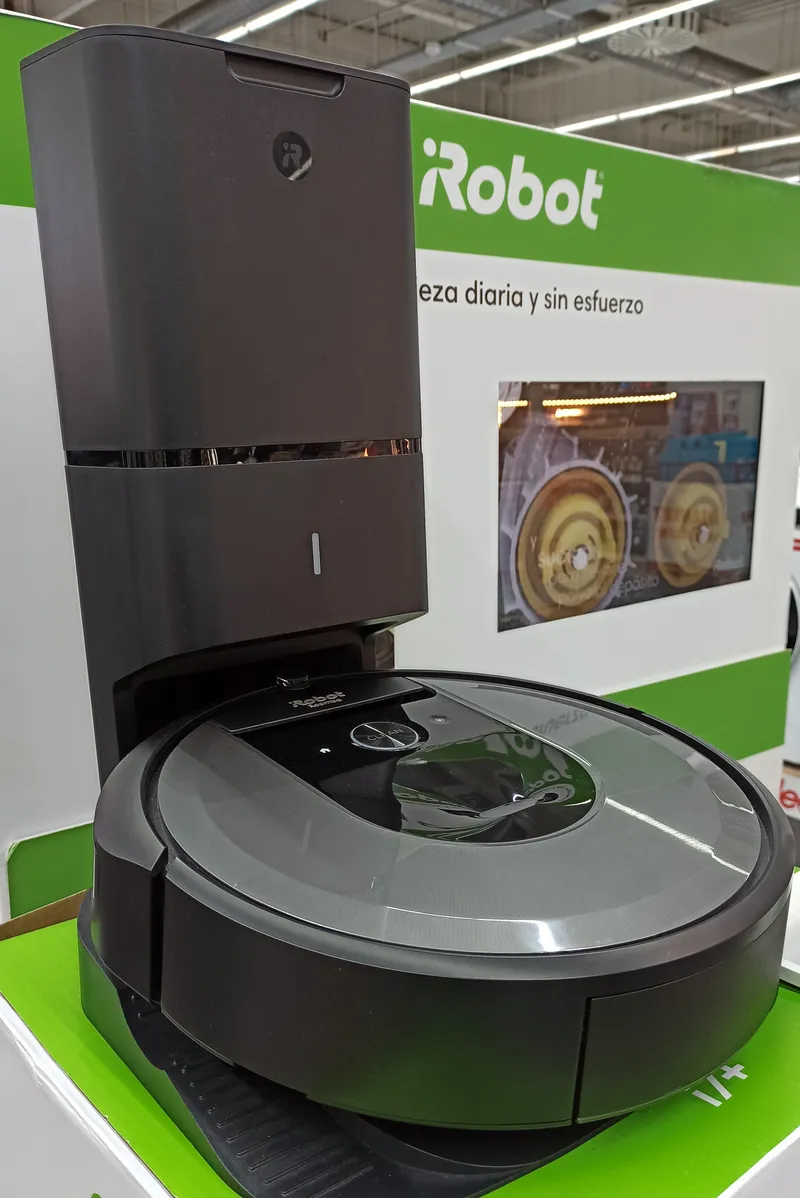
- What: In 2017, comments from iRobot CEO Colin Angle about possible sharing of Roomba home maps with third-party smart-home companies triggered a privacy backlash and forced the company to clarify that it would not sell customer data without consent.
- Where: In the smart-home and connected-home market, centered on data from households.
- When: 2017.
In 2017, a comment from iRobot CEO Colin Angle turned a routine product interview into a privacy story. He suggested that maps created by Roomba robot vacuums could eventually be shared with third-party smart-home companies, and the reaction was swift.
Why Roomba Maps Mattered
The idea came up as smart-home platforms were racing to connect everything in the house. A robot vacuum that learns the layout of rooms, furniture, and open space could, in theory, help other devices work better. Lights, speakers, thermostats, and voice assistants could use that information to understand where they were operating. From a business perspective, it sounded like one more piece of the connected-home puzzle.
But people heard something else: their vacuum was building a map of their home, and the company was openly discussing who else might want it. That shifted attention away from convenience and toward telemetry. Roombas were not creating cinematic scans of people’s lives, and the maps discussed publicly were generally described as interior layout data rather than detailed visual surveillance. Still, even a basic floor-plan-style map can reveal a lot. It can show room size, traffic patterns, and the shape of a living space that most people consider private.
iRobot Privacy Backlash Response
After the backlash, iRobot moved quickly to clarify its position. The company said it would not sell customer data without consent. That distinction mattered. The controversy was not really about a hidden feature being exposed after the fact. It was about a casual corporate remark making the value of household data visible all at once.
That is what made the episode stick. A robot vacuum had been marketed as a cleaning tool, but the public suddenly saw it as a sensor platform too. The technical function had not changed overnight. The framing had. Once consumers understood that home-mapping data could be monetized, the product category looked different.
Smart Home Data Lesson
The consequence reached beyond iRobot. It became a clear example of how smart-home companies can run into trouble not when devices collect data, but when executives speak too casually about what that data might be worth. In this case, the concrete implication was simple: a machine sold to clean floors had also created a new privacy boundary inside the home, and 2017 was the moment many people realized it.
Did You Know?
Roomba has used iRobot’s patented iAdapt navigation system, which helps the vacuum move around rooms while cleaning.