
🛍️ Artifacts of human ingenuity
Cleaning Wipes: The Truth About Killing Bacteria
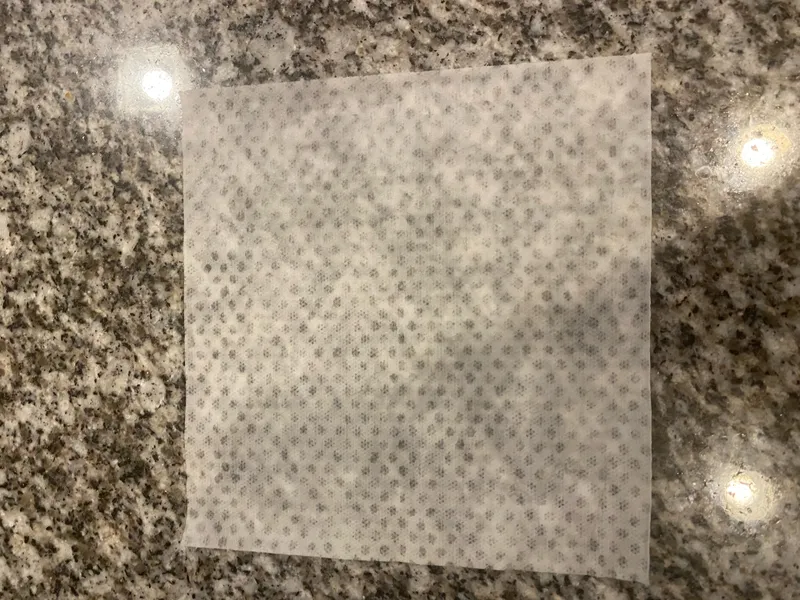
- What: Cleaning wipes are effective on hard surfaces but may not work well on fabrics, potentially spreading bacteria instead of eliminating it.
- Where: Home environments, particularly kitchens and living areas.
- When: Contemporary usage of cleaning products.
When it comes to cleaning products, few are as convenient as cleaning wipes. They promise to kill 99.9% of bacteria, but there's a catch.
Most brands typically achieve this impressive feat on hard surfaces. The chemical composition is specifically designed for these materials, and using them on other surfaces may not yield the same results.
Picture this: you wipe down your kitchen counter, confident you’ve eliminated harmful germs. But what if you used those same wipes on a fabric sofa? The effectiveness may drop.
In fact, some users may believe they’re protected when, in reality, they could be spreading bacteria around. This is critical to understand for those who rely heavily on these wipes for everyday cleaning.
Many people are unaware that the contact time—how long the surface remains wet with the cleaning solution—also plays a significant role in effectiveness. If the surface dries too quickly, the bacteria may survive.
So, while cleaning wipes can be a powerful ally against germs, knowing how to use them properly is essential. Misuse could lead to a false sense of security in your home.
Did You Know?
Many cleaning wipes require a specific contact time to effectively kill bacteria, which can vary by product.