
🧩 Fragments from the unknown
EU Circus Animal Passports Explained Since 2007
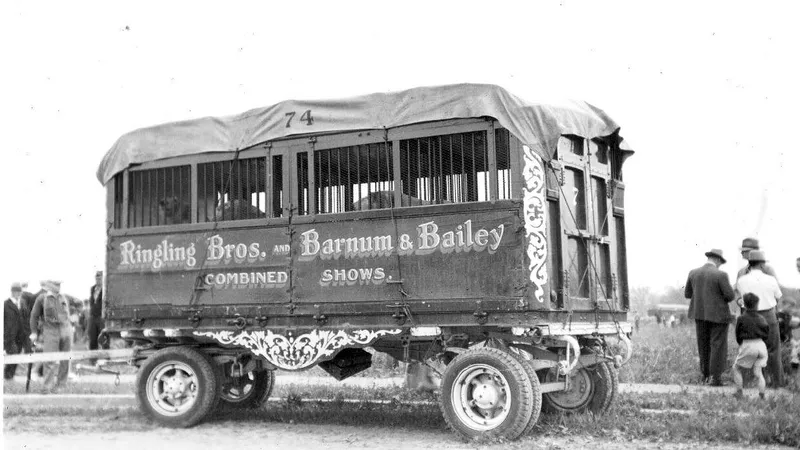
- What: Some circus animals in the EU were documented with individual passport-style papers so authorities could verify their identity and movement during cross-border travel.
- Where: Across European Union member states.
- When: Since 2007.
Since 2007, some circus animals in Europe have needed something that sounds oddly familiar: an individual passport for crossing borders. Under European Union rules, certain animals moving between member states were documented with identification papers designed to make inspections faster and more consistent.
Why Circus Animals Needed Passports
The idea was bureaucratic, not theatrical. A traveling circus could move from one EU country to another in a matter of hours, but border and veterinary authorities still needed a reliable way to identify each animal, confirm its health status, and track its legal movement. Instead of rechecking everything from scratch at every stop, officials could use a standardized document tied to a specific animal.
One clear example came from the long-running use of “passport” systems for circus and exhibition animals covered by EU animal health rules. These documents were part of the bloc’s effort to simplify internal movement while keeping disease controls in place. The passport followed the animal, not the troupe as a whole, and it could include identifying details and official certification relevant to transport between member states.
EU Animal Passport System
That is the part many people get wrong. The common assumption is that an “animal passport” was a novelty item or a media-friendly nickname. In practice, it reflected the same administrative logic used for cross-border travel more generally: standard identification, standardized records, and faster checks at the point of movement. The surprise is not that Europe made special circus rules for spectacle. The surprise is that it treated moving animals as a documentation problem that could be solved with paperwork.
This did not mean every circus animal was handled under one simple, universal booklet forever, or that regulation stayed frozen after 2007. EU animal movement rules have changed over time, and different species could fall under different health and transport requirements. But the underlying system was real: if a circus animal was traveling lawfully across EU member states, authorities wanted that movement attached to an individual record, not just a truck manifest or a company name.
Cross-Border Checks and Records
So the hard fact is this: in the EU’s post-2007 framework for animal health controls, certain circus animals crossing internal borders were documented individually in passport-style papers so officials could verify identity and movement quickly during cross-border checks.
Did You Know?
The EU also uses pet passports for dogs, cats, and ferrets traveling between member states.