
🛍️ Artifacts of human ingenuity
Rio MP3 Player Court Ruling Helped Legitimize Portable Music
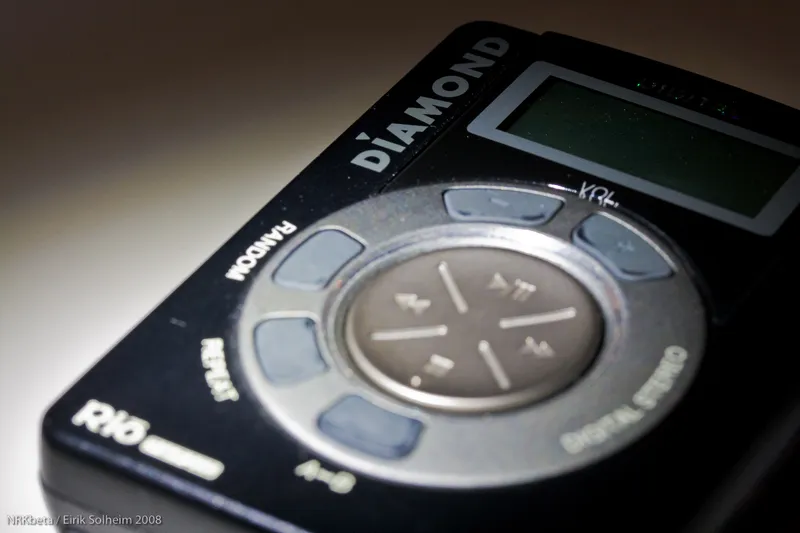
- What: A federal appeals court let Diamond Multimedia’s Rio MP3 player remain on sale, helping establish portable digital music players as a legal consumer product category.
- Where: United States federal court.
- When: 1999.
In 1998, the recording industry tried to stop the Rio MP3 player before it could define a new market. The Recording Industry Association of America sued Diamond Multimedia, arguing that the handheld device should be blocked from sale.
The Rio was a simple product by later standards. It did not rip CDs. It did not connect to a store. It did not pull songs from the internet on its own. It mainly stored digital music files that users had already put on a computer, then transferred them over to carry around. But that was exactly why the case mattered: the device made portable digital music real.
RIAA v. Diamond Multimedia
The legal fight moved quickly. In Recording Industry Association of America v. Diamond Multimedia Systems, Inc., a federal appeals court refused to halt the Rio’s release. The court concluded that the player was not covered by the Audio Home Recording Act’s requirements for certain digital audio recording devices. A key point was that the Rio did not make copies directly from transmissions or music media in the way the law described. It functioned more like a playback device for files already on a user’s PC.
That ruling did not rewrite copyright law, and it did not settle every future dispute about digital music. But it did something narrower and more practical: it established that this specific MP3 player could legally be sold. At a moment when the category was still fragile, that mattered more than abstract theory.
Portable MP3 Player Legality
The consequence was immediate and concrete. A company had brought a portable MP3 player to market, the major record-label trade group challenged it, and the courts did not shut it down. That gave hardware makers, retailers, and consumers a clear signal that portable MP3 players were not automatically illegal just because they handled compressed music files.
Impact on Portable Music
The Rio itself was not the final form of portable music. Many better-known devices came later. But this case helped clear the path they used. One court ruling, tied to one small handheld player in the late 1990s, helped turn portable MP3 players from a legal target into a legitimate consumer product category.
Did You Know?
The Rio is often described as the first widely marketed portable MP3 player.