
🧪 Echoes from the lab
Antarctic Dry Valleys Microbes Photosynthesize Under Translucent Rocks
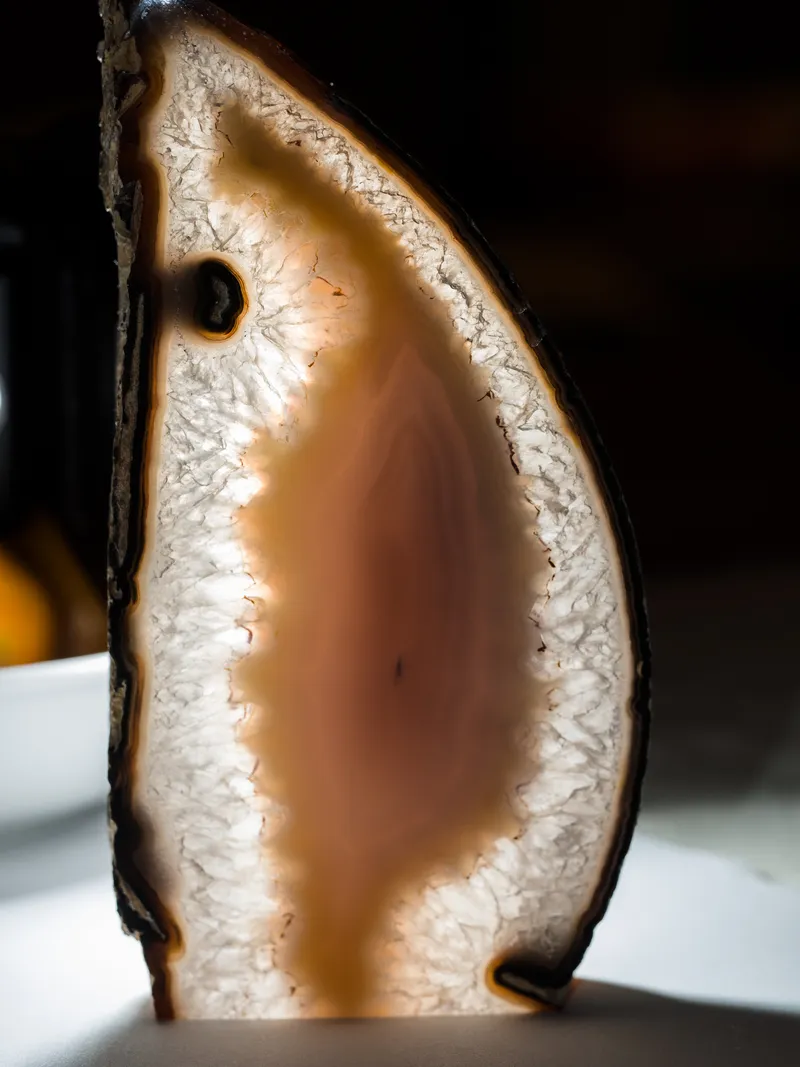
- What: Some microbes in Antarctica’s Dry Valleys photosynthesize beneath translucent rocks, which filter light and help them survive harsh surface conditions.
- Where: The McMurdo Dry Valleys in Antarctica.
- When:
Most photosynthetic life turns toward open light. In Antarctica’s Dry Valleys, some microbes do the opposite. They live under pale, translucent rocks and still manage to photosynthesize in one of the coldest, driest, and most light-starved deserts on Earth.
McMurdo Dry Valleys Conditions
The setting is the McMurdo Dry Valleys, a region of Antarctica with extremely low snowfall, brutal cold, and very little liquid water. On the surface, conditions are so harsh that exposed life faces intense stress from freezing temperatures, dryness, and damaging ultraviolet radiation. If a microbial community tried to live fully out in the open, survival would be much harder. So in some places, the event that makes life possible is not a sudden bloom on the ground, but a shift a few millimeters downward, beneath stones that let light through.
How Translucent Rocks Help
These rocks, often quartz or other translucent stones, act like small shelters. They scatter and soften incoming sunlight. Enough visible light can pass through for photosynthesis, while the rock reduces some of the environmental extremes above it. The space underneath can hold slightly better moisture conditions and offer protection from wind and radiation. There, microbial mats and other communities can persist where the exposed surface would be far less forgiving.
That detail matters because it corrects an easy misconception. Photosynthesis does not always mean leaves in full sun or algae spread across open water. In the Dry Valleys, light is not simply accepted or rejected; it is filtered. The microbes are not thriving because the environment is generous. They are surviving because a thin mineral layer turns hostile light and cold into something just usable.
Antarctic Endolithic Ecosystems
Researchers have documented these rock-sheltered habitats as part of Antarctica’s endolithic ecosystems, meaning life within or beneath rock. The biology is modest in scale but precise in its requirements: a translucent stone, a small amount of light, occasional access to moisture, and protection from the worst surface conditions. Remove that balance, and the habitat quickly becomes much less viable.
So the notable fact is not just that life exists in the Antarctic Dry Valleys. It is that some of it depends on a stone roof. In a cold desert where open ground can be too exposed for steady photosynthetic living, a translucent rock becomes the difference between a barren patch of soil and a functioning microbial world.
Did You Know?
Antarctica’s McMurdo Dry Valleys are often described as one of the closest terrestrial analogs to Martian conditions.