
🎭 Fragments from the heart of civilization
Medieval Scribe Colophon Records a Payment Complaint
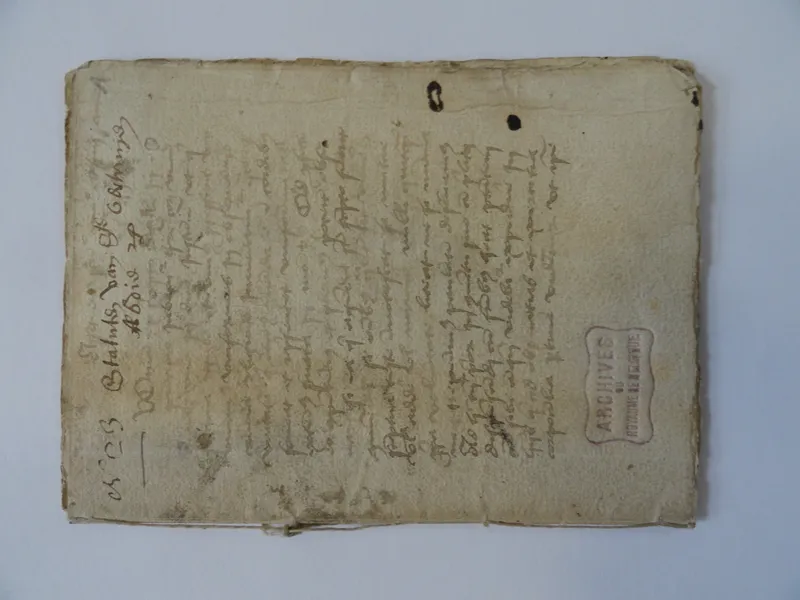
- What: The article explains that a medieval colophon ends with a scribe’s direct request for payment: “the work is finished; I ask my reward for the labor.”
- Where:
- When: Medieval Europe, when manuscripts were copied by hand.
At the end of one medieval manuscript, a scribe left more than a routine closing line. He wrote in Latin: Finis adest operis, mercedem posco laboris: the work is finished; I ask my reward for the labor.
What the Colophon Says
That sentence appears in a colophon, the note scribes often added at the end of a copied text. Colophons could identify who wrote the manuscript, where it was completed, or when the job was done. They could also include short prayers, expressions of relief, or practical comments from the person who had just spent days, weeks, or months copying a book by hand.
This one stands out because it is so plainly transactional. The scribe is not describing a miracle or composing a flourish for posterity. He is marking the end of paid work and attaching a request to it. The phrase mercedem posco laboris is not mysterious: merces means wages, pay, or reward, and laboris means labor. In context, the line reads like a brief claim on compensation from someone whose task is finally complete.
Medieval Scribes and Pay
That matters because manuscript culture can easily be flattened into something distant and ceremonial. In reality, much book production in medieval Europe involved labor, deadlines, patrons, religious institutions, and money. Scribes were skilled workers. Some were monks copying texts inside monasteries, others worked in more commercial settings, especially as urban book production expanded in the later Middle Ages. A colophon like this does not prove every scribe was underpaid or openly frustrated. But it does preserve a rare, compact trace of the economics behind manuscript making.
The line is also revealing because it survives in the scribe’s own closing space, where routine formula and personal voice could overlap. Medieval endings often included fatigue, relief, or appeals for a blessing on the copyist. Here, the personal note is not emotional display so much as accounting. The manuscript is done. Payment is due.
A Payment Request in Closing
That is the concrete force of the colophon. After all the careful handwriting, ink, and labor required to produce a book, the final surviving thought is not abstract at all. It is a worker closing the file, in effect, and writing directly into the manuscript: the job is complete, now pay me.
Did You Know?
The word “colophon” comes from Greek and originally meant “summit” or “finishing touch.”