
🌿 Stories carved by wind and water
Komodo Dragon Parthenogenesis Discovered at Zoo Hatchlings
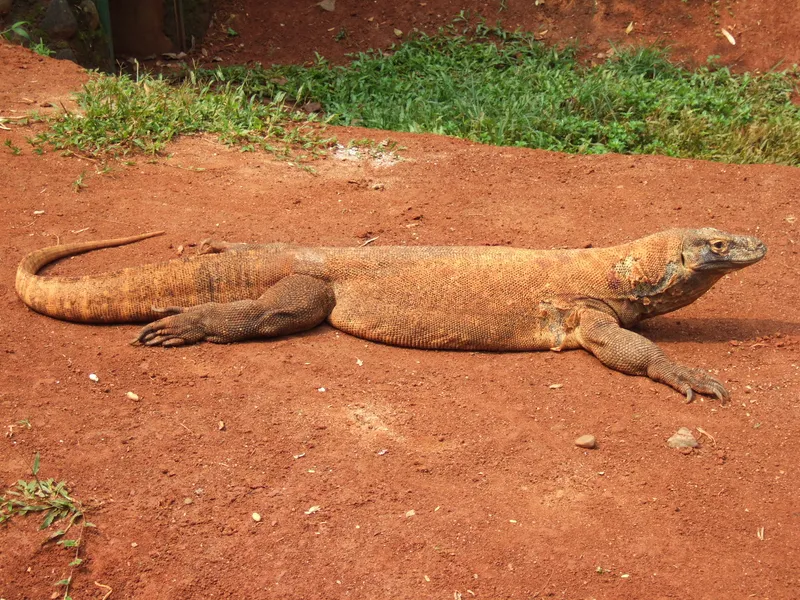
- What: Female Komodo dragons at zoos were shown to produce viable offspring without males, providing clear evidence that the species can reproduce by parthenogenesis.
- Where: Chester Zoo and London Zoo in the United Kingdom.
- When: The key cases were reported in 2006.
A female Komodo dragon kept alone at a zoo produced healthy offspring without a male, turning an ordinary reptile birth into clear evidence of parthenogenesis in the species.
Zoo Cases Confirmed in 2006
The most widely cited case happened in 2006, when researchers reported that captive female Komodo dragons in the United Kingdom had laid eggs that developed despite long isolation from males. At Chester Zoo, a female named Flora produced viable eggs without mating. Around the same time, another female at London Zoo, Sungai, also laid unfertilized eggs, though not all developed. What mattered was the outcome: some of the eggs hatched, and genetic testing showed there was no father.
That result gave scientists direct proof that Komodo dragons, the world’s largest lizards, can reproduce through parthenogenesis. In simple terms, that means an embryo can develop from an egg without fertilization. It is not the normal route for the species, and it does not replace sexual reproduction, but it can produce living young.
Komodo Dragon Parthenogenesis
In Komodo dragons, this process comes with limits. Because of the species’ sex chromosome system, parthenogenesis can produce male offspring, but not female hatchlings in the same way. That detail matters because a lone female reaching a new island or isolated habitat could, in theory, start a population by first producing sons and later breeding sexually with them. Scientists noted that this possibility may help explain how monitor lizards could colonize new areas over long periods.
Why Captive Evidence Mattered
The zoo setting made the discovery unusually clear. In the wild, proving a birth happened without mating is difficult. In captivity, where the female’s isolation was known and samples could be tested, the evidence was much stronger. What looked at first like a routine clutch became a documented reproductive event with broader biological importance.
The concrete implication is straightforward: a Komodo dragon egg clutch in captivity can no longer be assumed to require a recent male pairing. In the case of Flora at Chester Zoo, hatchlings from an isolated female showed that this species can produce viable young alone, and that changed how zoos and biologists understood Komodo dragon reproduction.
Did You Know?
Komodo dragons belong to the monitor lizard family, and the species’ reproductive system means parthenogenesis can produce male offspring.