
🕯️ Notes from the casefile
Arizona Seed Pod DNA Linked Truck to Murder Scene
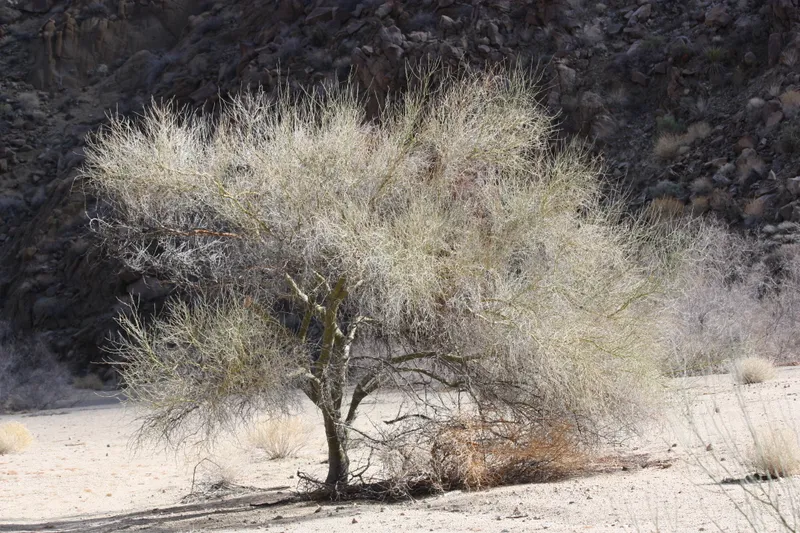
- What: Blue palo verde seed pods found in Mark Bogan’s truck bed were DNA-tested and matched a specific tree linked to the crime scene in the Denise Johnson murder case.
- Where: Arizona.
- When: 1992.
The key evidence was not a fingerprint, a weapon, or a witness. It was a handful of blue palo verde seed pods found in a truck bed in Arizona in 1992.
Seed Pods in Bogan’s Truck
Investigators were working the killing of Denise Johnson in Arizona when they focused on Mark Bogan’s pickup. In the bed of the truck, they found seed pods from a blue palo verde tree. That alone might have seemed ordinary. Palo verde trees grow in the region. Seed pods can travel. Dirt and plant debris often collect in vehicles.
What made this different was the level of comparison. Investigators and scientists did not stop at identifying the species. They tested the pods’ DNA and compared it with a specific blue palo verde tree at the crime scene. The result, reported in court, was that the pods matched that tree.
Blue Palo Verde DNA Match
That link mattered because it tied the truck to one exact location, not just to a desert environment in general. In a case built from many pieces, the seed pods became one of the most precise physical connections between Bogan’s vehicle and the place where Johnson was killed.
The science stood out because forensic botany is rare, and plant DNA evidence was even rarer in criminal court at the time. This was not a broad claim that “plants can identify a suspect.” It was narrower and more useful: genetic testing showed that plant material in the truck bed was consistent with a particular tree associated with the scene investigators were trying to prove he had reached.
Forensic Botany Murder Evidence
Bogan was convicted, and the seed pod evidence became one of the most cited examples of forensic botany in the United States. The reason the case is still remembered is concrete. A few dry pods in a pickup bed helped place that truck at the murder scene with unusual specificity, turning ordinary desert debris into courtroom evidence.
Did You Know?
Forensic botany was first used in a U.S. murder trial well before plant DNA became common in criminal cases.