
🧩 Fragments from the unknown
Kenneth Arnold's Quote and the Birth of Flying Saucers
They flew like a saucer would if you skipped it across the water
- Who: Kenneth Arnold
- Where: Near Mount Rainier in Washington state, after a reported sighting while flying
- When: June 1947
- Why: The comparison helped turn a description of motion into the phrase “flying saucer,” giving the public a memorable label that helped launch modern UFO language and culture.
In June 1947, pilot Kenneth Arnold described what he had seen near Mount Rainier with a line that became far bigger than the sighting itself: “They flew like a saucer would if you skipped it across the water.” That sentence mattered because it did more than report a strange event. It gave the public a vivid image and, in doing so, helped launch the modern language of UFOs.
What Kenneth Arnold Meant
The setting was precise and consequential. Arnold had reported seeing a group of unusual objects while flying in Washington state. When he later explained their movement to reporters, he reached for an everyday comparison. He was not, in that phrase, necessarily saying the objects were shaped like dinner plates. He was describing the way they moved: darting or skipping through the air the way a saucer might skip across water.
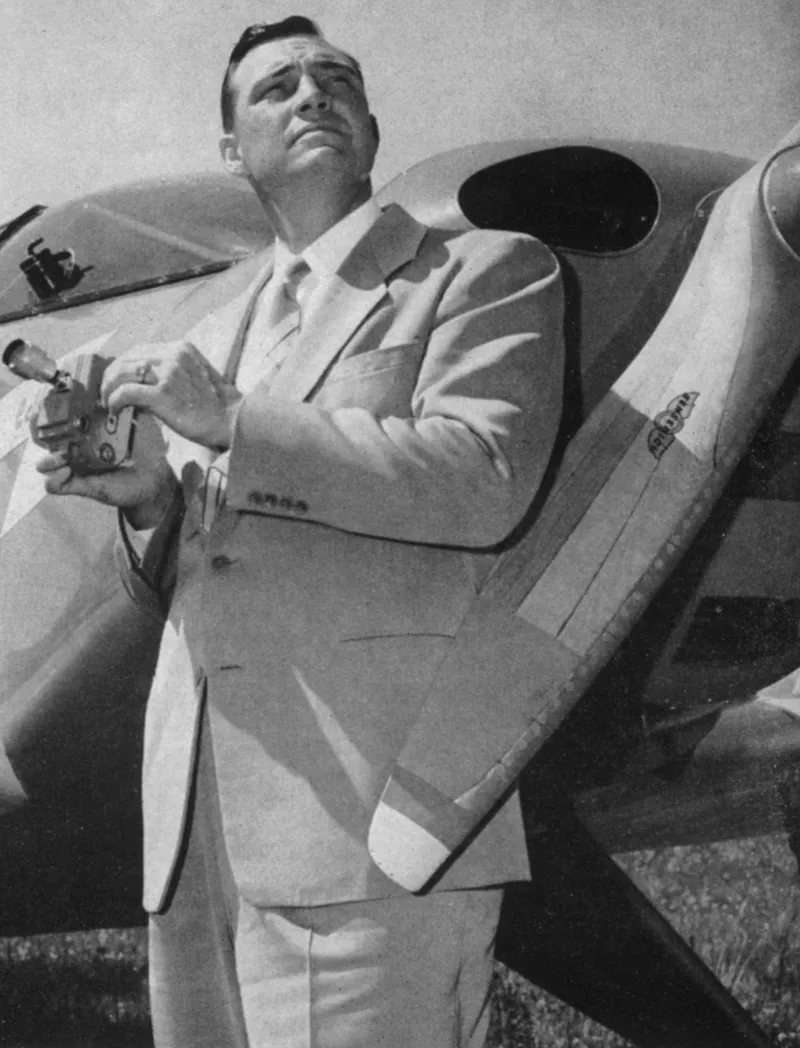
That distinction is the key to why the quote still matters. The phrase “flying saucer” quickly took hold in news coverage, but it flattened Arnold’s meaning. Motion became shape. A description of behavior became a label for an object. That small shift in language had enormous consequences. It gave newspapers a catchy term, gave the public a ready-made mental picture, and gave a scattered set of unusual reports a single name.
How “Flying Saucer” Took Hold
The timing made the quote especially powerful. This was just after World War II, when Americans were already living in a world transformed by aviation, rockets, radar, and atomic weapons. The skies had become a place of technological wonder and anxiety at the same time. Arnold’s comparison was easy to understand, easy to repeat, and strange enough to stick. It sounded concrete, not mystical. That made it more persuasive as news language, even for people who were skeptical of the sighting itself.
Its staying power comes from that rhetorical precision and historical accident. Arnold supplied a plainspoken simile. Reporters and readers turned it into a category. From there, “flying saucer” became one of the defining phrases of postwar popular culture, shaping headlines, films, rumors, and official attention for decades.
Why the Quote Still Matters
So the famous line is remembered not because it proved anything about aliens, and not because Arnold clearly described saucer-shaped craft. It is remembered because one comparison, offered in a 1947 interview to explain motion, hardened almost instantly into the image that defined modern UFO lore.
Did You Know?
The article notes that Arnold was describing how the objects moved, not necessarily their shape.