
🏺 Recovered from the dusty archives
Chief Joseph's Surrender Quote at Bear Paw Explained
From where the sun now stands, I will fight no more forever.
- Who: Chief Joseph (Hin-mah-too-yah-lat-kekt), leader of the Nez Perce.
- Where: Bear Paw in Montana Territory, near the Canadian border.
- When: October 5, 1877, during the Nez Perce surrender.
- Why: It became a famous sign of the end of Nez Perce resistance after a long retreat, and it is remembered as a powerful surrender statement shaped by crisis and later preserved through translation.
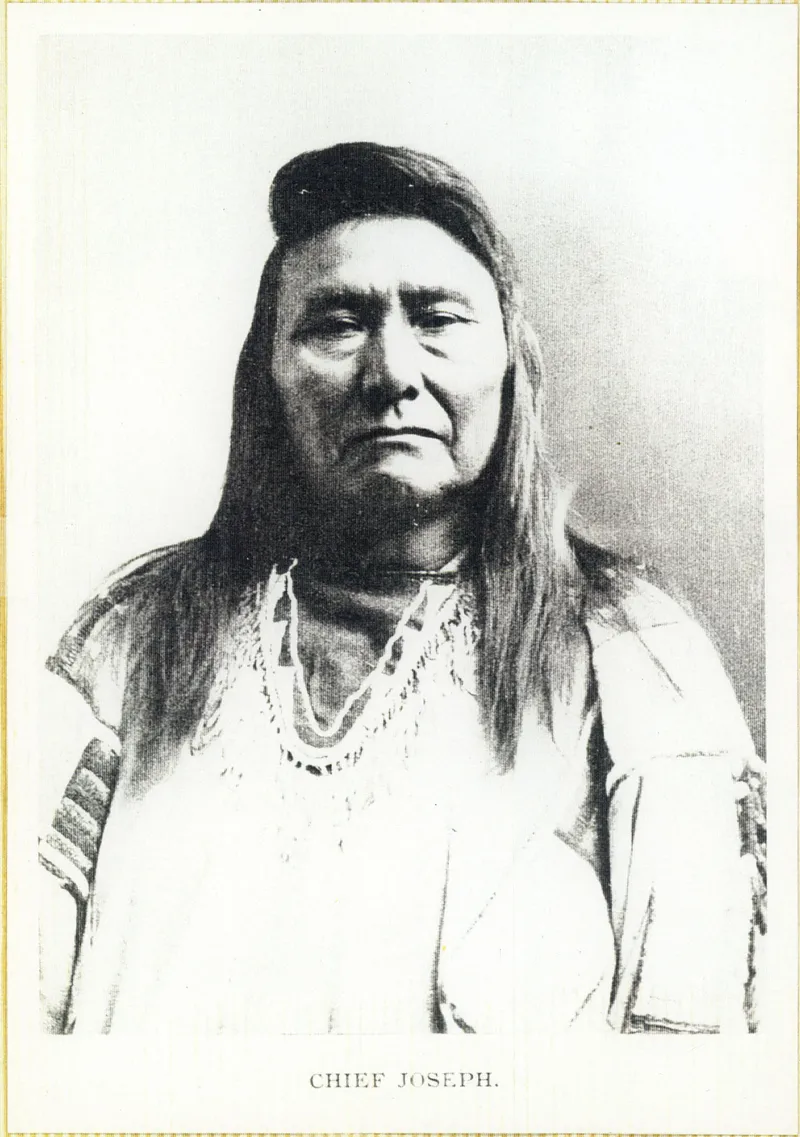
“From where the sun now stands, I will fight no more forever” is the line most people remember from Chief Joseph’s surrender at Bear Paw in Montana Territory on October 5, 1877. Chief Joseph, a leader of the Nez Perce, spoke after months of flight and fighting as U.S. troops closed in near the Canadian border. But the famous English wording should not be treated as a verbatim transcript. It survives through translation and interpretation, which matters when explaining both its power and its limits.
Bear Paw Surrender Context
The immediate situation was brutal. The Nez Perce had traveled a vast distance trying to escape forced removal and reach safety. At Bear Paw, they were exhausted, under military pressure, and facing cold weather, casualties, and separation from family members. Some leaders were dead, some were wounded, and some people had already slipped away. In that setting, this was not a polished speech for history. It was a surrender statement shaped by crisis.
Meaning of the Surrender Quote
That is why the quote mattered at once. It announced an end to resistance in the clearest possible terms. The line does not sound like a legal formula or a battlefield report. It sounds final, physical, and immediate. “From where the sun now stands” ties the decision to a specific moment in time, almost as if the speaker is marking the ground beneath him and the day above him. “I will fight no more forever” compresses exhaustion, loss, and irrevocability into a few words. Even in English translation, the statement carries a stark sense of closure.
It also resonated because of the larger 1877 context. To many Americans, the Nez Perce campaign had already become a major national story. The long retreat, the military pursuit, and the nearness of Canada gave the surrender enormous symbolic weight. For U.S. audiences, the statement could be read as the end of a dramatic campaign. For the Nez Perce, it marked the collapse of a desperate effort to preserve autonomy and protect their people under impossible conditions.
Translation and Public Memory
The quote endured partly because it is memorable, but also because it was preserved in a form that fit public memory: short, solemn, and seemingly universal. That very neatness can hide the real history. The words reached the public through interpreters and later publication, not through a modern recording or exact stenographic transcript. Remembering that does not weaken the line. It places it where it belongs: at Bear Paw, in surrender, under pressure, carrying the weight of military defeat, cultural rupture, and translation all at once.
Did You Know?
The article notes that the famous English wording is not a verbatim transcript but a translation and interpretation.