
🧪 Echoes from the lab
Tardigrade Dsup Protein Reduced Radiation Damage in Human Cells
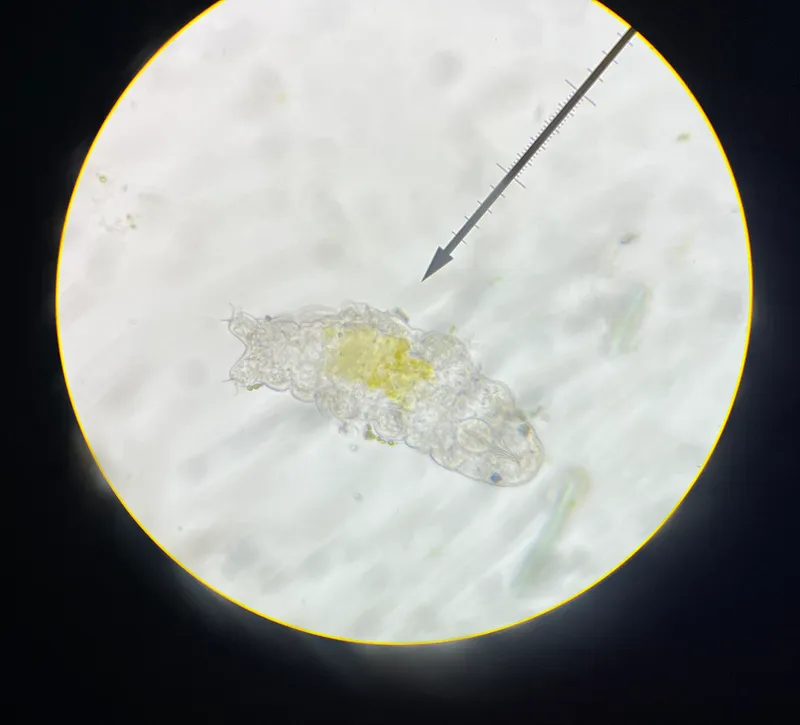
- What: A tardigrade protein called Dsup was reported to reduce X-ray–induced DNA damage in engineered human cells by binding to chromatin and acting like a protective shield.
- Where: In cultured human cells studied in the laboratory.
- When: In a 2016 study.
A protein from tardigrades, called Dsup, drew global attention after researchers reported that it reduced X-ray–induced DNA damage in human cells. The result suggested that one of biology’s toughest microscopic animals carries a molecular tool that can help shield genetic material from radiation.
Dsup Protein in Human Cells
The key idea is simple, even if the biology is not. Radiation such as X-rays can break DNA strands directly or create reactive molecules that damage them indirectly. In a 2016 study led by Takekazu Kunieda and colleagues in Japan, scientists identified a tardigrade protein they named Dsup, short for damage suppressor. When they engineered cultured human cells to produce Dsup, those cells showed less DNA damage after X-ray exposure than cells without it.
What made the finding stand out was the proposed mechanism. Dsup appeared to bind to chromatin, the DNA-protein material inside the nucleus, and act as a kind of physical shield. Not a perfect barrier, and not immunity, but a measurable reduction in harm under experimental conditions. The same study also reported improved survival in the modified cells after radiation exposure, which added weight to the idea that Dsup was doing something real and specific.
How Dsup May Protect DNA
That does not mean the path to practical use is straightforward. The work was done in cells in the lab, not in whole humans. Radiation damage in living bodies is more complicated, involving tissues, dose levels, timing, and side effects. Researchers also need to understand exactly how Dsup interacts with human chromatin and whether that interaction could create trade-offs. A protein that protects DNA in one setting might interfere with normal cellular processes in another.
Still, the finding is significant. If a naturally evolved protein can reduce radiation-linked DNA injury across species boundaries, it opens a credible line of research into new protective strategies for medicine, space biology, and biotechnology. That could matter for radiation therapy support, for workers in high-exposure environments, or for long-duration missions beyond Earth, though those applications remain speculative until much more testing is done.
Limits and Future Uses
For now, the concrete takeaway is narrower and more interesting: a tardigrade protein inserted into human cells was reported to lower X-ray-related DNA damage by associating with chromatin. It is not a ready-made treatment, but it is a specific molecular clue that radiation protection may sometimes begin with a protein only a microscopic extremophile happened to evolve first.
Did You Know?
Dsup was first identified in the tardigrade Ramazzottius varieornatus.