🌍 Records from the halls of power
Why Kennedy's Berlin Quote Still Matters
Ich bin ein Berliner
- Who: John F. Kennedy
- Where: At a public rally in West Berlin
- When: June 26, 1963, during a visit to West Berlin
- Why: The line symbolized U.S. solidarity with West Berliners and signaled to the Soviet bloc that the city’s fate was a matter of American commitment during the Cold War.
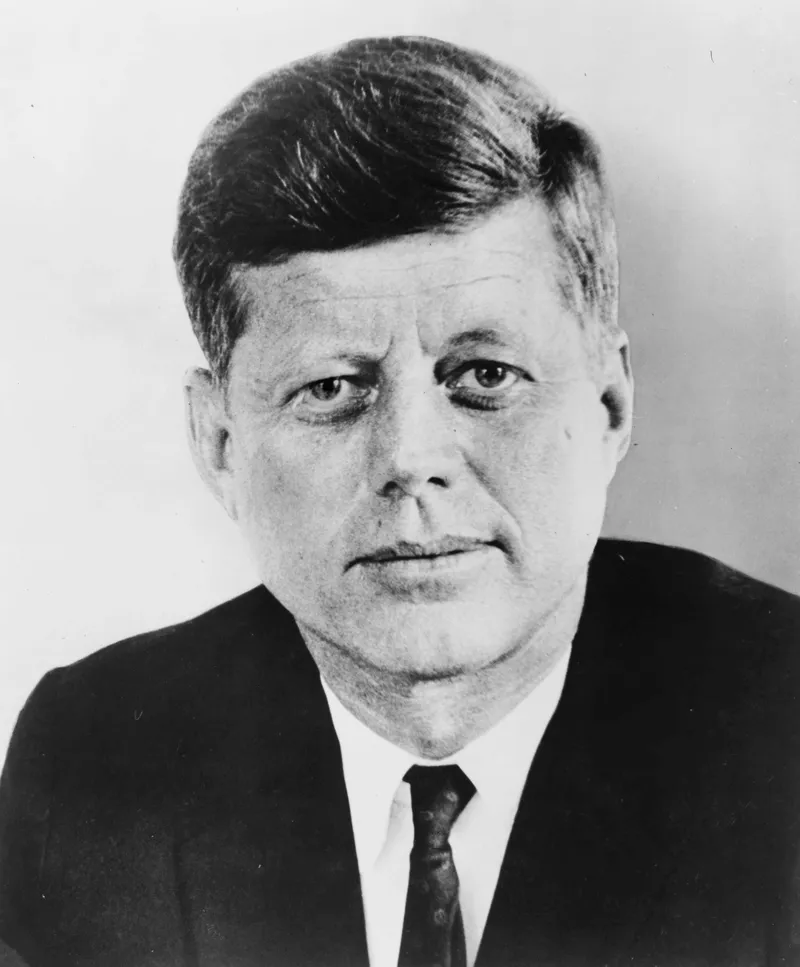
On June 26, 1963, in West Berlin, U.S. President John F. Kennedy delivered the line that would define the visit: “Ich bin ein Berliner.” He said it at a public rally during a trip meant to reassure West Berliners that the United States would stand by them in a divided city under Cold War pressure.
West Berlin and the Cold War
The setting gave the words their force. Less than two years earlier, East Germany had erected the Berlin Wall, turning the city into the sharpest visible front line of the Cold War. West Berlin was politically tied to the West but geographically surrounded by East Germany. Its residents did not need an abstract lesson in superpower rivalry. They lived with checkpoints, separation, and the constant possibility that their city could become a bargaining chip or a flashpoint.
Why “Ich bin ein Berliner” Mattered
That is why Kennedy’s wording mattered. He did not offer a technical policy statement or a vague appeal to freedom. He identified himself, symbolically, with the people in front of him. “I am a Berliner” compressed alliance into a single sentence. It told West Berliners that they were not isolated, and it told the Soviet bloc that the city’s fate was not a local issue. The line was simple enough to be repeated instantly, but specific enough to carry real political meaning.
It also resonated because Kennedy spoke as the leader of the country whose military and political commitment mattered most to West Berlin’s survival. If almost anyone else had said the same words, they would have sounded sympathetic. From Kennedy, in that place and at that moment, they sounded like a pledge. The emotional response came not only from the German phrase itself, but from the fact that it publicly tied American prestige to the defense of the city.
Why the Quote Endures
The quote has lasted partly because it is easy to remember, but mainly because it captured a precise historical reality. West Berlin needed visible solidarity, not just private diplomacy. Kennedy gave that solidarity a sentence people could hear, repeat, and trust. The line endures not as a language curiosity, but as a concise declaration that, in 1963, the United States wanted both Berliners and Moscow to understand exactly where it stood.
Did You Know?
It was spoken less than two years after East Germany built the Berlin Wall.