
🏺 Recovered from the dusty archives
Joseph Haydn's Stolen Head and the Phrenology Scandal
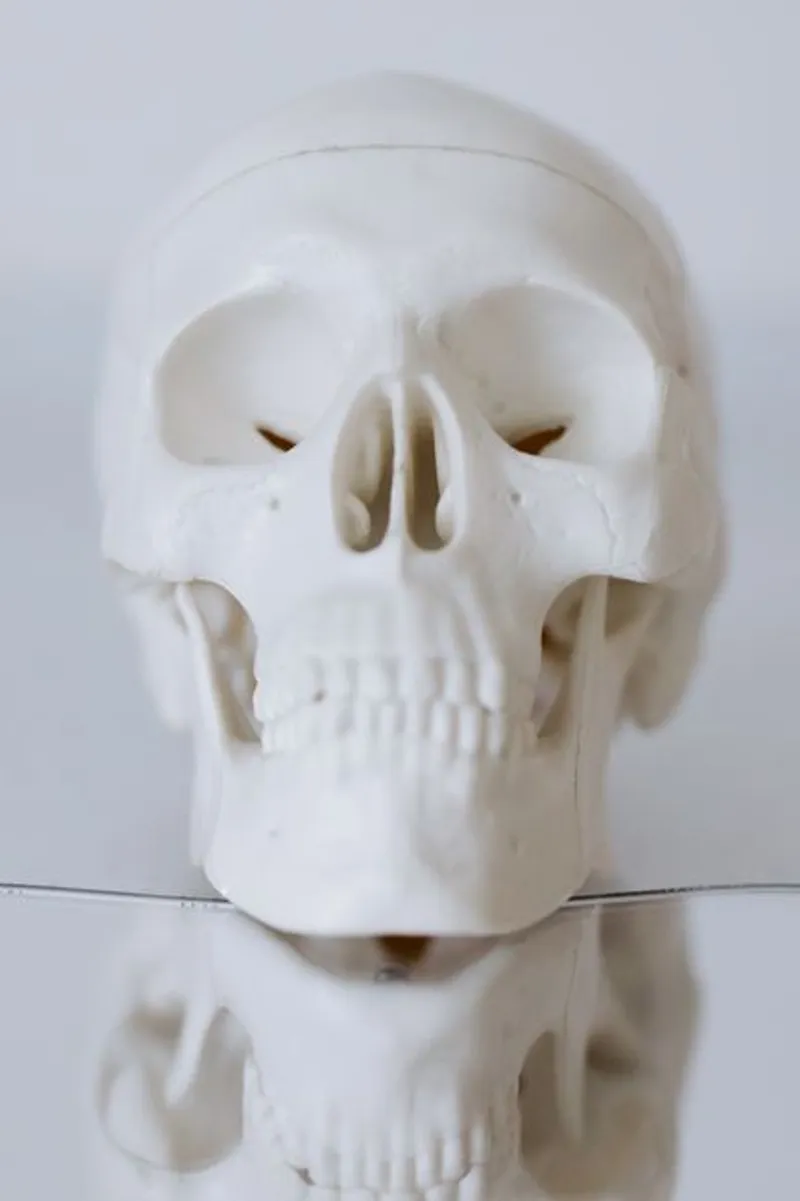
- What: After Joseph Haydn’s death, his skull was stolen in the context of phrenology and kept separate from his body for more than a century before being reburied with the rest of his remains.
- Where: Vienna and later Eisenstadt, Austria.
- When: Beginning in 1809, with reinterment of the skull in 1954.
In 1809, after composer Joseph Haydn was buried near Vienna, his head was taken from the grave. It did not return to his body for more than a century.
Phrenology and Haydn’s Skull
The theft happened in the strange aftermath of Haydn’s death, when phrenology was gaining attention in Europe. Phrenologists claimed that a person’s mental traits could be read from the shape of the skull. Haydn, famous across the continent and celebrated as a musical genius, became a target for men who wanted physical proof that genius could be measured in bone.
Accounts differ in detail, but the broad outline is well established. Haydn was first buried in the Hundsturm cemetery in Vienna. When Prince Nikolaus Esterházy later ordered Haydn’s remains moved to Eisenstadt, officials discovered that the skull was missing. Suspicion quickly centered on Joseph Carl Rosenbaum, a former secretary to the Esterházy court, and associates linked to phrenological interests. The head had reportedly been removed soon after burial and passed into private hands.
The Grave Theft Scandal
What followed was not a brief crime story but a long, awkward scandal. A substitute skull was allegedly used at one stage to conceal the theft. Meanwhile, Haydn’s actual head remained separate from his skeleton for decades, preserved as an object of study and prestige. The case exposed how a fashionable theory could shape behavior far beyond lecture halls and pamphlets. Phrenology was not just an eccentric idea; it influenced educated people strongly enough to justify violating a grave and keeping part of a dead man’s body as evidence.
That is what makes the story more than a historical curiosity. The treatment of Haydn’s remains shows how pseudoscience can borrow the authority of science while ignoring basic human limits. In this case, a revered composer’s body became material for status, speculation, and supposed proof.
Reinterment in Eisenstadt
Haydn’s remains were eventually brought back together in Eisenstadt, though not immediately or cleanly. In 1954, his skull was finally reinterred with the rest of his body at the Bergkirche. By then, the damage had long been done: for nearly 145 years, one of Europe’s most admired composers had been remembered not only for his music, but for the fact that his head had been taken in the name of science.
Did You Know?
Haydn’s remains were first moved to Eisenstadt in the 1820s, but the missing skull prevented a full burial until much later.