
⚙️ Traces from the dawn of innovation
Inkjet Printer Waste Ink Pads Can Stop Printing
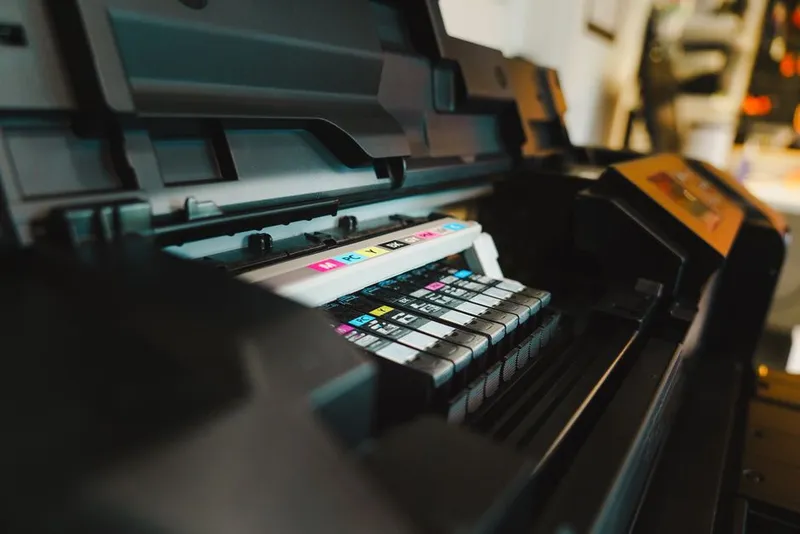
- What: Some inkjet printers can stop working when their internal waste-ink pad fills up and the printer’s counter triggers a service lockout, even if the rest of the machine still functions.
- Where:
- When:
Some inkjet printers can become unusable because of a part most owners never see: the internal waste-ink pad, sometimes described as a small sponge-like absorber. It does not print the page. It does not move the paper. But when it reaches its limit, the machine may refuse to print at all.
How Waste Ink Pads Fill
The idea is simple. Inkjet printers routinely clean their own printheads to keep nozzles from clogging. During that process, extra ink has to go somewhere. In many models, it is pushed into absorbent pads inside the printer. Over months or years, especially with frequent cleaning cycles, those pads collect more and more ink.
Why the Printer Stops Printing
Then comes the surprise. A printer that still powers on, still feeds paper, and still looks mechanically fine may suddenly display a service warning or lock itself out. The reason is not always a broken motor or dead electronics. It can be the waste-ink system reaching a preset threshold, based on the printer’s internal counter and the expected capacity of those pads.
This has shown up across multiple inkjet lines over the years, especially in home and photo printers where automatic cleaning is common. In practical terms, the pad may be inexpensive foam or felt, but getting to it can be awkward, messy, and sometimes not designed as a simple user-serviceable job. On some models, the larger problem is not just replacing the absorbent material. The printer may also need a service reset so it knows the waste-ink capacity has been restored.
Waste Ink Pad Replacement Costs
That creates an odd result. The part causing the shutdown is cheap, but the total fix may not feel cheap. If the printer is older, service labor, transport, or manufacturer support limits can push the cost close to replacement. So an otherwise working machine can be sidelined by a hidden maintenance component rather than by the print mechanism people assume has failed.
The useful insight is not that every locked printer is secretly fine. Sometimes a machine really is at the end of its life. But in this specific case, the consequence is clear: a low-cost internal waste-ink absorber can determine the usable life of a much more expensive device.
In concrete terms, a printer can stop over a saturated ink-collection pad and an internal counter, even while the carriage, rollers, and electronics still function. The small waste-ink part inside ends up deciding whether the whole printer keeps working.
Did You Know?
Many Epson inkjet printers use a service utility to reset the waste-ink counter after the pad is replaced.