
🎭 Fragments from the heart of civilization
Erik Satie's Furniture Music Changed What Music Could Do
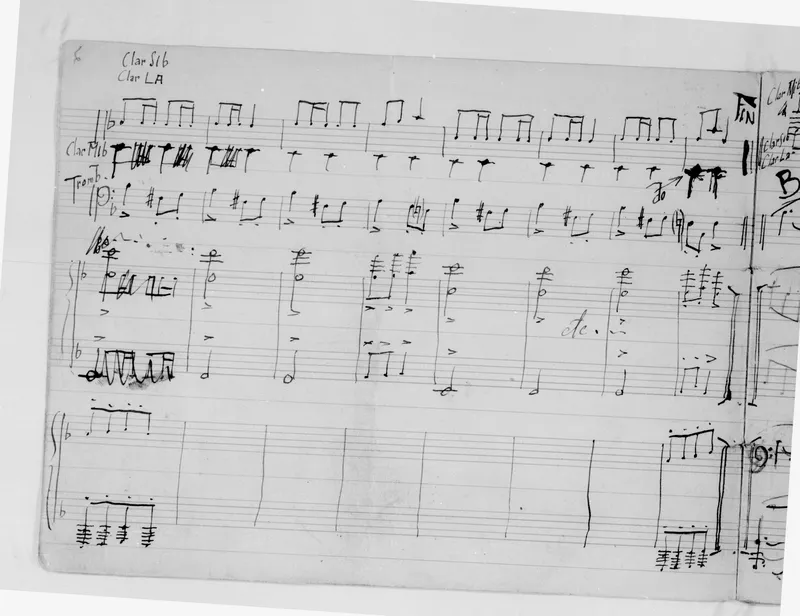
- What: Erik Satie’s “furniture music” was an early 20th-century idea for music meant to blend into the background rather than demand focused listening.
- Where: Paris, France
- When: Early 20th century, especially around 1917 to 1920
Erik Satie didn’t just write concert music. In early 20th-century Paris, he proposed something stranger and more practical: music that was meant not to be closely listened to at all.
What Is Furniture Music?
He called it musique d’ameublement, usually translated as furniture music. The idea was simple but radical. Instead of treating music as the main event, Satie imagined it functioning like part of the room itself, alongside lighting, chairs, and conversation. It was supposed to fill space, soften silence, and blend into the environment rather than draw every ear toward the stage.
That sounds familiar now because modern life is full of background sound. Stores, hotel lobbies, waiting rooms, restaurants, offices, and film soundtracks all use music to shape mood without asking for focused attention. But when Satie introduced the concept around 1917 and 1920, it cut against the usual expectation that serious music demanded stillness and concentration.
Paris Performances and Audience Reaction
One of the clearest examples came during a Paris performance connected to Satie and collaborators including Darius Milhaud. Audience members reportedly did what audiences were trained to do: they stopped and listened. Satie, according to accounts of the event, wanted the opposite. He is said to have urged people to keep talking and moving around. The point was not to turn the music into a miniature concert. The point was to let it dissolve into social life.
That is what makes furniture music more than a quirky footnote. Satie was reframing the role of composition itself. Music, in his view, could be functional. It could organize a room’s atmosphere the way décor or architecture does. In cultural terms, that places him surprisingly close to later ambient thinking, even though ambient music as a named genre would come much later.
Erik Satie’s Lasting Influence
It also helps explain why Satie still feels current. He was not simply trying to shock people or make a joke. He was testing a new category: music designed for use. That idea now sits at the center of everyday listening, from playlists built for studying to background tracks engineered for retail spaces.
So the concrete legacy of furniture music is not just a few unusual pieces from Paris. It is the now-common assumption that music can be part of a room’s function, shaping how a place feels even when nobody is treating the sound as the main event.
Did You Know?
Erik Satie also wrote the famous piano pieces Gymnopédies, which are still widely performed today.