
🫀 Secrets of the human vessel
PIP Breast Implants Scandal and the Silicone Switch
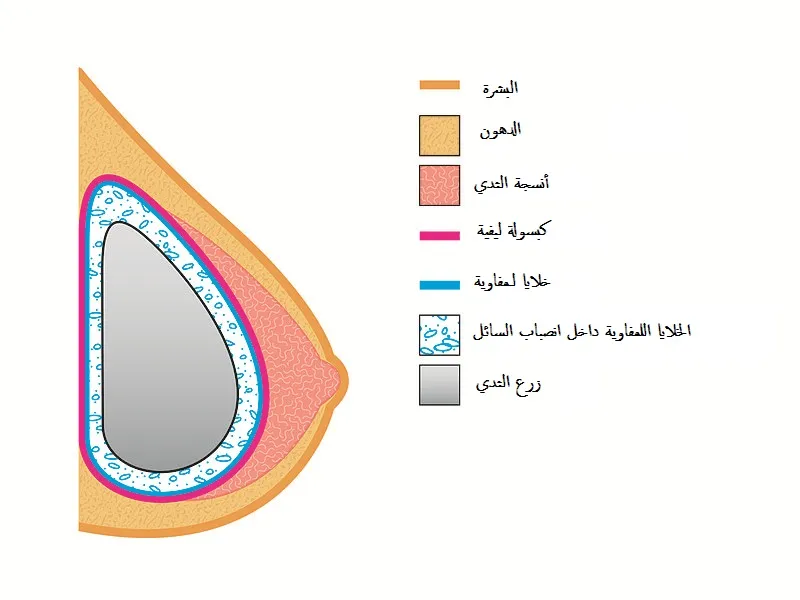
- What: PIP breast implants became a major patient safety scandal after investigators found the company had used unauthorized industrial-grade silicone gel in some implants, prompting recalls, legal action, and fraud convictions.
- Where: France and multiple other countries, including the UK and parts of Latin America.
- When: By the early 2010s, with a French recall ordered in 2010.
By the early 2010s, PIP breast implants had become a global patient safety crisis. The French company Poly Implant Prothèse, known as PIP, was found to have used unauthorized silicone gel in some of its breast implants, setting off recalls, health investigations, and legal action across multiple countries.
PIP Recall and Fraud Allegations
The scandal did not begin with a single dramatic moment. It built through rupture reports, medical concerns, and growing suspicion that something was wrong with devices implanted in tens of thousands of people. In 2010, French regulators moved to suspend sales and order a recall. What made the case especially serious was not just the number of implants involved, but the allegation at its center: a medical device maker had cut costs by changing materials inside a product meant to stay safely inside the human body for years.
PIP had been a major manufacturer, exporting widely across Europe and beyond. Investigations later found that the company had used industrial-grade silicone gel in many implants rather than the approved medical-grade material. Authorities said this was done fraudulently and without proper disclosure. The result was a cross-border problem almost overnight. Patients in France, the UK, Latin America, and other regions were suddenly asking the same question: what exactly had been implanted?
Rupture Rates and Health Risk
Health agencies then had to sort through a difficult reality. The implants were linked to unusually high rupture rates, but the immediate medical risk to each patient could vary. Regulators and doctors tried to balance urgency with evidence, warning that the devices were more likely to fail while also noting that available data did not show a clear spike in long-term diseases such as cancer caused specifically by the silicone used. That distinction mattered, even in the middle of public alarm.
The deeper consequence was trust. This was not only a product defect story. It exposed how a cost-cutting change inside a regulated medical device could travel through international supply chains, pass into clinics, and remain hidden until patients themselves became the evidence. Once the implants began failing at unusual rates, the problem could no longer be contained within one company or one country’s regulator.
Jean-Claude Mas Conviction
French courts later convicted PIP founder Jean-Claude Mas of fraud related to the scandal. For many patients, though, the legal outcome came after years of scans, consultations, removals, and uncertainty. The concrete legacy of the PIP case is simple and grave: a hidden materials switch inside breast implants turned a manufacturing decision in France into international recalls and one of the most consequential medical device scandals of its era.
Did You Know?
The PIP case drew attention in part because breast implants are medical devices, not pharmaceuticals, so oversight often involves both health regulators and device-certification systems.