
🏆 Legends born in the arena
Doha Marathon Heat Forced Late-Night Training Shifts
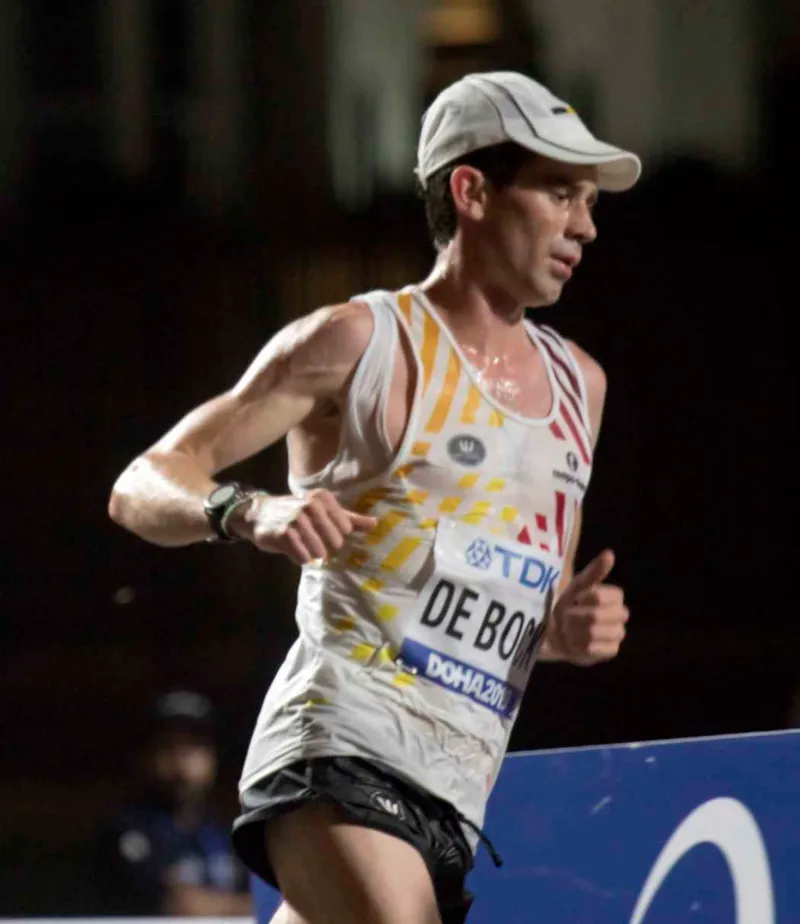
- What: The 2019 World Athletics Championships in Doha forced marathoners to overhaul training, with many shifting key workouts to late night to prepare for midnight races in extreme heat and humidity.
- Where: Doha, Qatar, on the Doha Corniche.
- When: Late September to early October 2019.
Before the 2019 World Athletics Championships even began in Doha, the marathon had already changed how elite runners trained. Because the women’s and men’s races were scheduled to start close to midnight in Qatar’s heat, many athletes and coaches moved key sessions deep into the evening to prepare for conditions that were expected to stay punishing long after sunset.
Why Doha Marathon Training Changed
If a marathon is going to be run at midnight, normal training rhythms stop making sense. Distance runners usually build their weeks around early mornings, cooler daylight, and carefully timed recovery. In Doha, the problem was different. The clock said night, but the weather still felt like daytime stress. That meant some marathoners trained late at night, some used heat chambers, and others adjusted sleep, meals, and hydration so the body would be ready to race when it would normally be winding down.
The reason was simple, even if the solution was not. Doha’s championships were held from late September into early October, and organizers shifted the marathons to near midnight to reduce heat risk. Even then, conditions remained severe. During the women’s marathon on September 27, 2019, temperatures were still around 32 degrees Celsius with high humidity. The attrition was striking, with many athletes unable to finish. The men’s marathon the following week was also run in difficult overnight heat.
Midnight Heat and Race Conditions
That context explains why late-night training was not a gimmick. Coaches were trying to prepare athletes for two separate stresses at once: sustained heat load and a racing hour that disrupted the body’s usual routine. There was no perfect answer. Training too often in extreme conditions could hurt recovery, but ignoring the likely race environment could leave runners unprepared. So the buildup became a balancing act between adaptation and preservation.
The consequence was that preparation for Doha centered less on pace charts alone and more on survival variables that marathoners usually try to minimize: heat management, fluid intake, cooling strategy, and what the body feels like near midnight after a full day. In other words, the event pushed training schedules to revolve around climate rather than the clock on the wall.
How Elite Marathoners Prepared
By the time runners reached the start line on the Doha Corniche in 2019, the unusual part was no longer just the midnight gun. It was the fact that months of preparation had already been reorganized around that hour, with elite marathoners training when most of the city was heading to sleep because the race demanded it.
Did You Know?
The women’s marathon winner in Doha was Ruth Chepngetich of Kenya.