
🕯️ Notes from the casefile
Boston Arson Spree Used Delays and Disabled Alarm Boxes
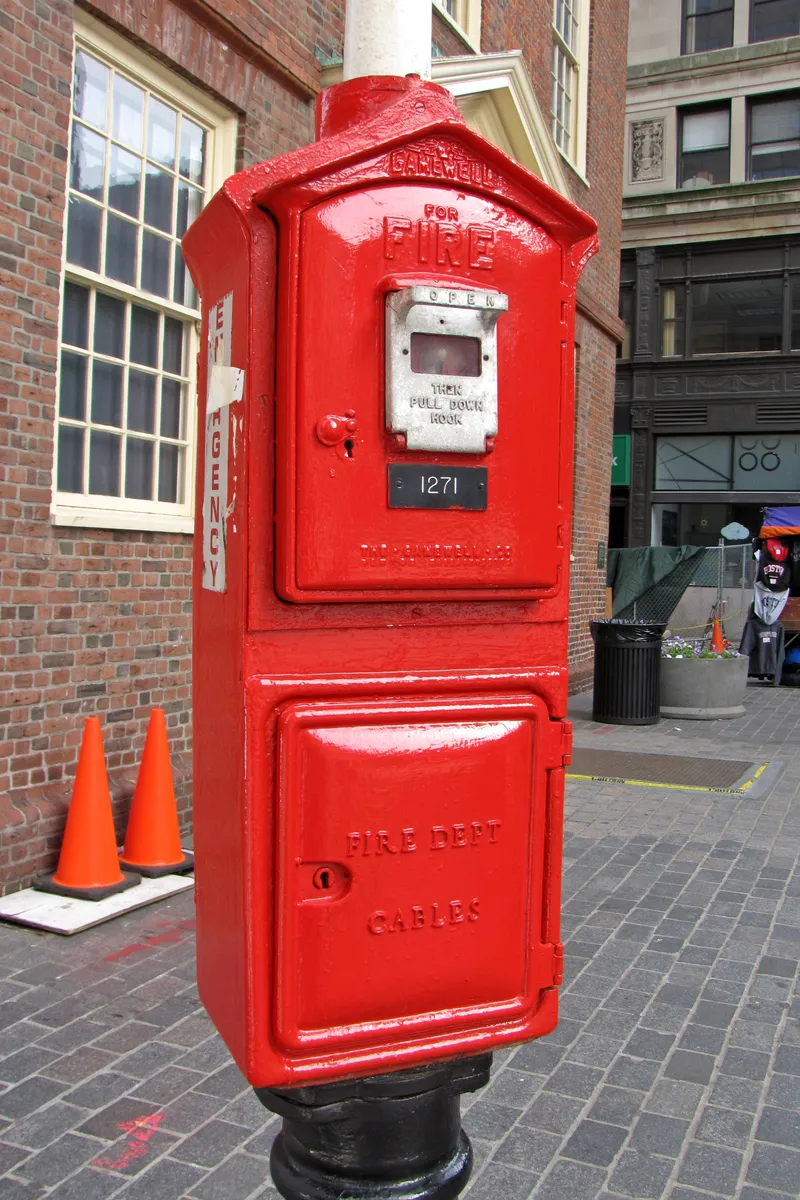
- What: Investigators said a Boston arson ring linked more than 160 fires between repeated use of cigarette-and-match time-delay devices and the removal of nearby street fire-alarm boxes.
- Where: Boston, Massachusetts
- When: 1982 to 1984
Between 1982 and 1984, Boston investigators confronted a pattern that turned a series of fires into a citywide emergency. More than 160 fires were eventually linked to an arson ring, according to investigators, and two details kept surfacing: similar cigarette-and-match time-delay devices and missing street fire-alarm boxes near the scenes.
Time-Delay Devices and Alarm Boxes
The damage was not just in the flames. It was in the delay. Fires were set in a way that gave the person who placed the device time to leave before ignition. At the same time, 14 nearby street alarm boxes were removed, a deliberate move investigators said slowed reporting and response in the immediate area. That combination mattered. In a dense city, even a short delay can let a small fire become a building fire.
Authorities said the repeated use of the same kind of starter helped them connect incidents that might otherwise have looked unrelated. The alleged ring was not relying on chaos alone. Investigators described a methodical pattern: similar ignition devices, similar timing logic, and interference with the most direct way bystanders could alert the fire department from the street. The point was not subtle. It was to widen the gap between ignition and response.
Why Response Delays Mattered
That made the spree especially serious for firefighters and residents. Boston in the early 1980s was already dealing with vacant properties, strained neighborhoods, and buildings vulnerable to fast-moving fire. A delayed report could mean more smoke, more structural damage, and more danger for anyone still inside or nearby. The removal of alarm boxes did not cause the fires, but it amplified the consequences once they started.
The larger insight in the case is simple and grim: the ring’s power came less from any single fire than from the system it attacked around the fire. By pairing delayed ignition with disabled public alarms, the perpetrators allegedly turned minutes into damage. That is what made the pattern so consequential.
Boston Arson Ring Pattern
The hard fact investigators returned to was this: in Boston’s 1982 to 1984 arson spree, more than 160 fires were linked to a ring that allegedly used similar time-delay starters and removed 14 nearby street fire-alarm boxes, making the fires both harder to trace at first and slower to confront when they began.
Did You Know?
Boston’s street fire-alarm boxes were a longstanding part of urban firefighting before widespread modern emergency calling systems.