
🫀 Secrets of the human vessel
IVF Embryo Mix-Ups and the Safeguards They Changed
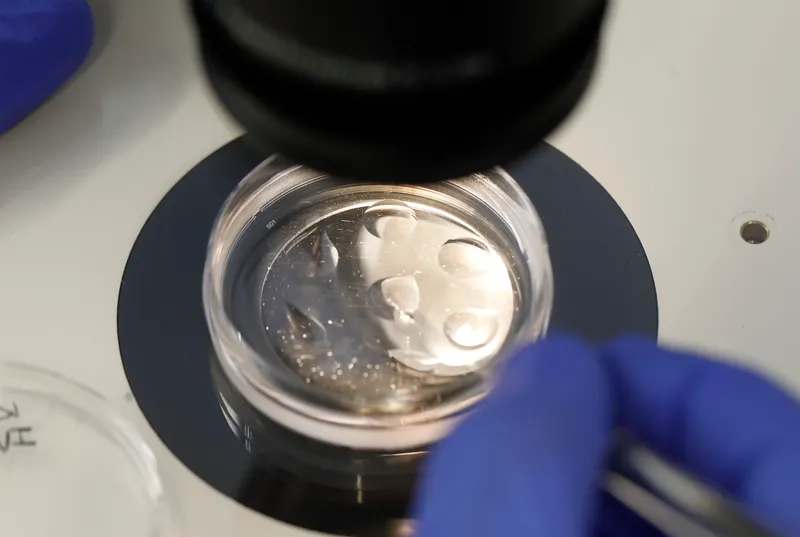
- What: A 2019 IVF embryo mix-up at CHA Fertility in Los Angeles led to a woman giving birth to babies who were later found not to be genetically related to her and her husband.
- Where: CHA Fertility in Los Angeles, California.
- When: 2019.
In 2019, an IVF mix-up at CHA Fertility in Los Angeles became one of the clearest examples of how a rare lab failure can upend multiple families at once. A woman gave birth after an embryo transfer and later learned the babies she delivered were not genetically related to her, but to two other couples.
CHA Fertility Embryo Mix-Up
The case drew attention because embryo transfer is usually presented as a tightly controlled process. In fertility labs, embryos are labeled, tracked, and handled under chain-of-custody procedures designed to prevent exactly this kind of error. But rare does not mean impossible, and this incident showed what a breakdown can look like when several checkpoints fail or are not enough.
According to lawsuits filed after the births, the patient underwent treatment at the California clinic, became pregnant, and later discovered through DNA testing that the children were unrelated to her and her husband. The babies were eventually placed with their biological parents. The case became widely cited not because mix-ups are common, but because it exposed the practical vulnerability in a system built around precision.
IVF Lab Safeguards After Errors
After incidents like this, fertility clinics and labs faced sharper scrutiny over witness protocols, labeling practices, electronic tracking, and specimen verification at every handoff. In many clinics, the routine already included multiple identifiers and manual double-checks. What changed was the pressure to make those safeguards more layered and less dependent on a single person or a single label. Some centers expanded barcode systems, electronic witnessing, and audit trails that record who handled an embryo, when, and at what stage.
That is the lasting consequence of cases like the CHA Fertility mix-up: they do not just create legal fallout, they reset what counts as acceptable routine. In a fertility lab, safety is not one dramatic intervention. It is repetition, redundancy, and documented custody from thaw to transfer.
Embryo Transfer Chain of Custody
The concrete impact is visible in how clinics now describe their process to patients and regulators. The lesson from Los Angeles was specific: an embryo transfer cannot rely on trust in the room alone. It has to be backed by labels, witnesses, electronic confirmation, and a chain of custody strong enough to survive the one mistake that should never happen.
Did You Know?
The case was widely cited in discussions of fertility-lab safety because embryo transfer is normally protected by chain-of-custody procedures meant to prevent such errors.