
🌍 Records from the halls of power
Deng Xiaoping's Cat Quote and China's Reform Turn
It doesn't matter whether a cat is black or white, as long as it catches mice
- Who: Deng Xiaoping
- Where: In China’s reform-era political debate
- When: Late 1970s and early 1980s
- Why: It became a durable defense of pragmatism, helping justify reforms by arguing that policies should be judged by results rather than ideological purity.
“It doesn't matter whether a cat is black or white, as long as it catches mice” became one of Deng Xiaoping’s most durable lines because it offered a simple, memorable defense of pragmatism at a critical political moment. In the late 1970s and early 1980s, as China emerged from the Cultural Revolution and faced deep economic problems, arguments over reform were also arguments over ideology. Deng’s point was blunt: results mattered more than doctrinal purity.
Meaning of the Cat Quote
The saying itself was not a full policy blueprint, and versions of it had circulated earlier in Deng’s career. But in the reform debates after 1978, it took on unusual force. China’s leadership was trying to raise production, improve living standards, and loosen rigid economic controls without openly discarding socialism. That was a difficult balancing act. A technical policy memo could not settle that tension. A short, vivid phrase could at least reframe it.
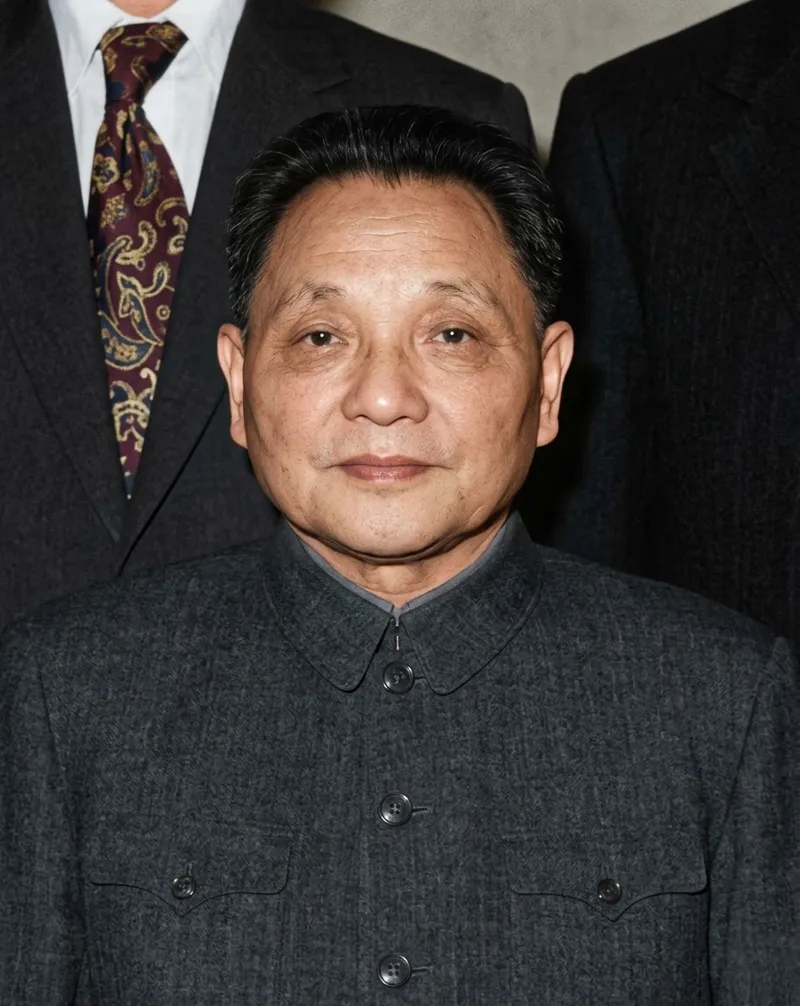
That is why the wording mattered. The image is ordinary and practical. A cat has one job in the sentence: catch mice. The color is irrelevant. In political terms, the message was that a method should be judged by whether it worked, not by whether it looked ideologically correct at first glance. For officials, intellectuals, and local experimenters, this was a useful argument. It helped legitimize trying measures that would once have been denounced as suspect, including market-style incentives, decentralized decision-making, and special economic experiments.
Role in China’s Reform Era
The line also resonated because of timing. China was under pressure to recover from years of disruption, and many people wanted improvement without another round of ideological upheaval. Deng’s phrasing lowered the temperature of the debate. It did not ask people to embrace an abstract theory. It asked them to notice outcomes. That made the shift sound practical rather than theatrical, and cautious rather than revolutionary.
It is still remembered because it compressed a major historical turn into a sentence almost anyone could repeat. Long after the first reform-era arguments faded, the quote remained a shorthand for a broader change in governing style: less emphasis on rigid labels, more emphasis on what delivered growth and stability. Its endurance comes from that combination of clarity and consequence.
Why the Quote Endured
In concrete terms, the quote helped create political space for experimentation during the early reform era. It did not define every policy, and it did not erase later conflicts or contradictions. But as a piece of public language, it did something powerful and specific: it made pragmatism sound legitimate, intelligible, and Chinese at the exact moment China’s leadership needed a way to argue for change.
Did You Know?
Versions of the saying had circulated earlier in Deng Xiaoping’s career.