
🏺 Recovered from the dusty archives
Miguel de Cervantes: Lepanto, Algiers, and Don Quixote
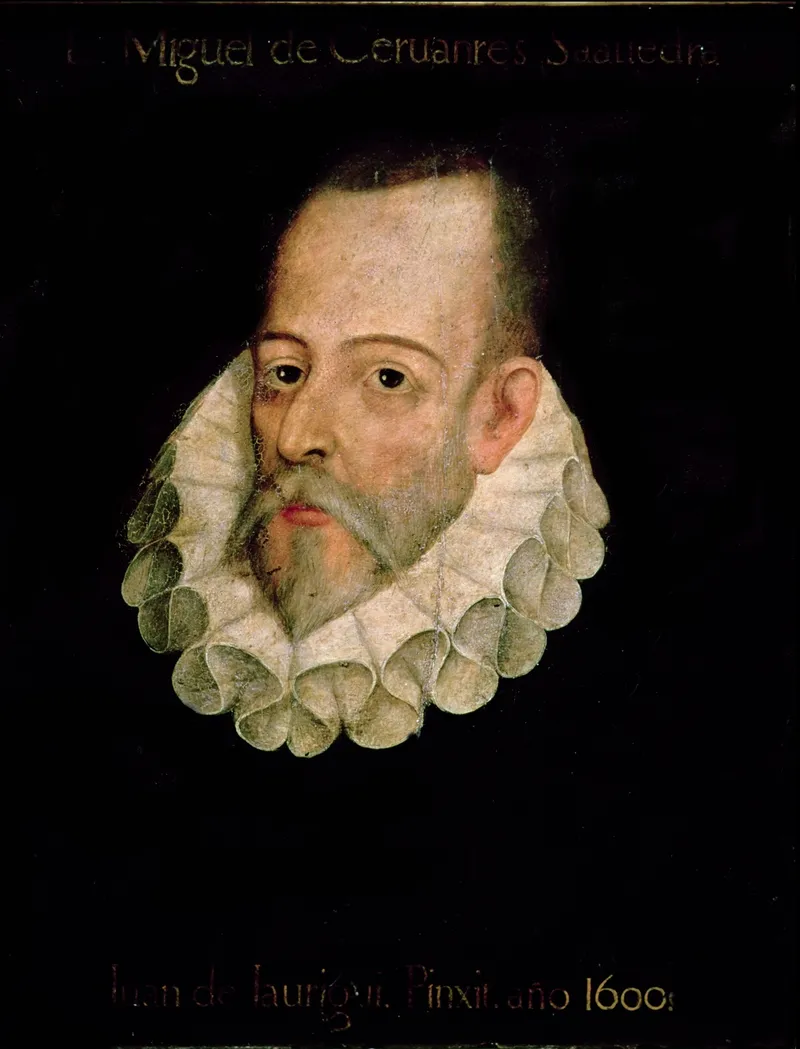
- What: The article explains how Miguel de Cervantes’s experiences at Lepanto and in Algerian captivity helped shape the novel’s mix of irony and sympathy for bravery in Don Quixote.
- Where: Battle of Lepanto in the Gulf of Patras; captivity in Algiers.
- When: 1571 at Lepanto, 1575–1580 in captivity, and 1605/1615 for the two parts of Don Quixote.
Miguel de Cervantes did not experience hardship from a distance. In 1571, at the Battle of Lepanto, he was wounded while fighting for the Spanish fleet, and the injuries left his left hand permanently impaired. A few years later, in 1575, he was captured by corsairs and taken to Algiers, where he spent about five years in slavery before being ransomed in 1580.
Those events matter because Don Quixote, published in two parts in 1605 and 1615, is one of literature’s great books about heroism gone sideways. Its main character chases old ideals of knighthood into a world that no longer fits them. The novel is funny, but it is rarely simple mockery. Cervantes had seen real combat. He had also lived through captivity, uncertainty, failed escape attempts, and dependence on other people’s decisions for survival. That background helps explain why the book can laugh at fantasy without dismissing courage altogether.
Cervantes at the Battle of Lepanto
The Battle of Lepanto, fought in the Gulf of Patras, was a major naval clash between the Holy League and the Ottoman fleet. Cervantes later spoke with pride about having fought there, even though he was reportedly ill at the time and chose to serve anyway. The injury to his left hand became part of how later generations remembered him, though the common phrase that he “lost the use of his left hand” is more accurate than saying he lost the hand itself.
Cervantes in Algiers Captivity
His captivity in Algiers is even more revealing. This was not a dramatic detour that made him picturesque. It was years of coercion and danger. Cervantes tried repeatedly to escape, was punished, and survived a system built on human ownership and ransom. When he eventually returned to Spain, he did not turn experience into straightforward autobiography. Don Quixote is not a disguised prison memoir. But Cervantes wrote with an unusually sharp sense of how people cling to dignity under pressure, and how noble language can collide with material reality.
How Lepanto and Algiers Shaped Don Quixote
That is the key consequence of his wounds and captivity for reading Don Quixote. The novel’s irony feels double-edged. It exposes delusion, but it also protects a certain respect for aspiration, endurance, and self-invention. Cervantes knew that heroic stories could mislead. He also knew that people sometimes need them.
So when Don Quixote charges into trouble with grand words and battered resolve, the tone is not accidental. Behind the comedy stands a veteran of Lepanto and a former captive of Algiers, writing with sympathy for bravery and with no illusions about what the world does to it.
Did You Know?
Cervantes’s full name was Miguel de Cervantes Saavedra.