
🏺 Recovered from the dusty archives
The Birth of Writing: Sumerian Cuneiform Explained
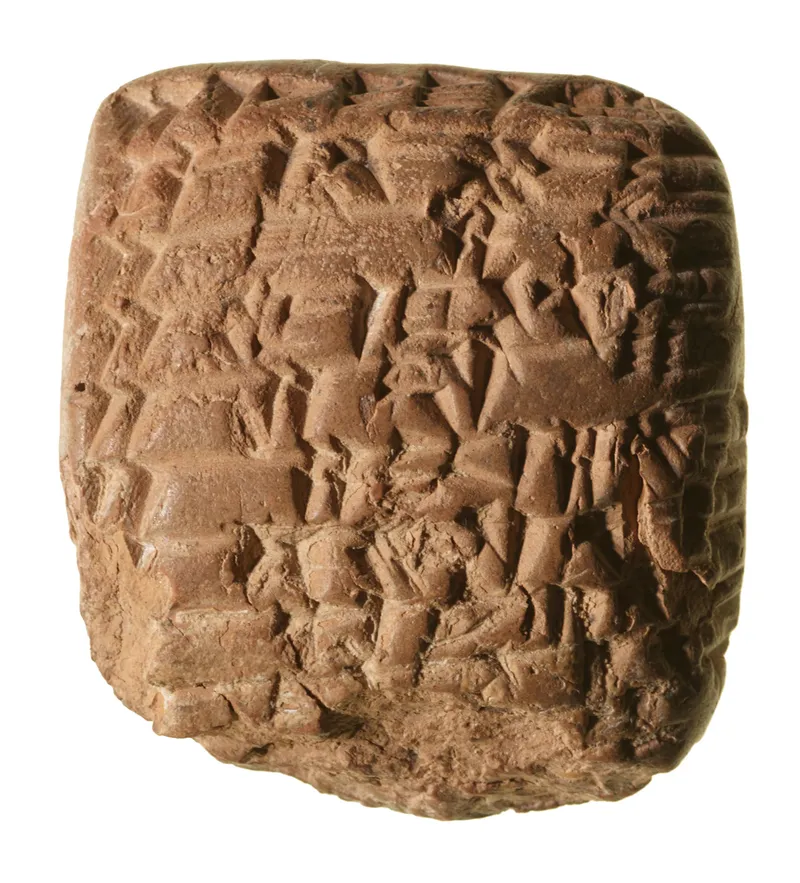
- What: The emergence of Sumerian cuneiform in Uruk revolutionized human communication by providing one of the earliest known writing systems for record-keeping.
- Where: Uruk
- When: 3400–3200 BC
In the ancient city of Uruk, around 3400–3200 BC, a revolutionary development occurred that changed human communication forever: the emergence of Sumerian cuneiform.
This was one of the earliest known writing systems, primarily created for practical purposes, specifically for administrative and trade record-keeping.
Imagine a bustling marketplace where traders exchanged goods. To keep track of transactions, scribes began inscribing symbols on clay tablets, using a stylus to create wedge-shaped marks.
These symbols represented sounds and ideas, evolving from simple pictographs to a complex system that could convey detailed information.
As Uruk grew, so did the need for writing. It became essential for managing resources, recording laws, and documenting history.
The impact of cuneiform was profound, laying the groundwork for future writing systems and enabling civilizations to flourish.
Today, thousands of clay tablets have been uncovered, revealing insights into the daily lives of the Sumerians and their sophisticated society.
The legacy of cuneiform continues to influence us, demonstrating the power of written language in shaping human history.
Did You Know?
The Sumerians are often credited with inventing the wheel around the same time as the development of cuneiform, which further advanced trade and transportation.