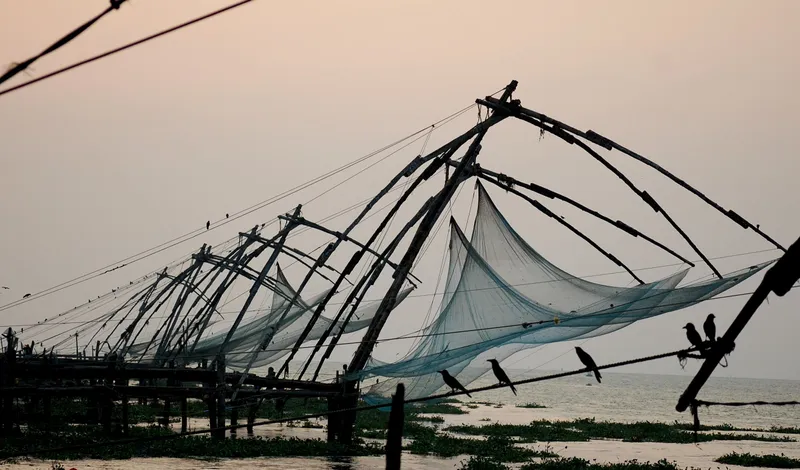
Kochi Chinese Fishing Nets Still Work With Stones and Ropes
The article explains how Kochi’s shore-operated Chinese fishing nets use counterweights, ropes, and pulleys to lift and lower large nets efficiently from land.
Read more →CurioWire publishes fresh curiosities from science, history, nature, technology, space, culture and more. Each day we share short, fascinating stories, unusual discoveries and remarkable facts from around the world. Explore daily curiosities and discover something new.

The article explains how Kochi’s shore-operated Chinese fishing nets use counterweights, ropes, and pulleys to lift and lower large nets efficiently from land.
Read more →
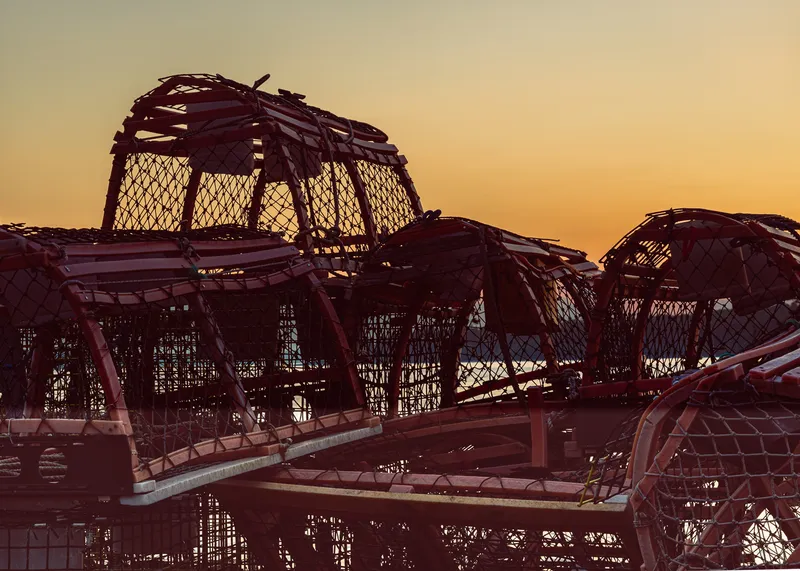
Invasive tunicates are coating lobster traps in the Gulf of Maine, making gear heavier, messier, and more time-consuming to haul and clean.
Read more →
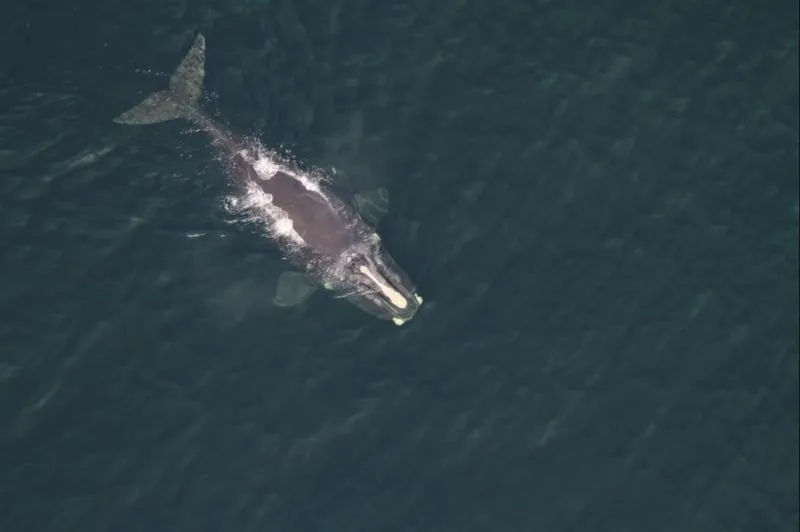
NOAA said rope recovered from a dead North Atlantic right whale was consistent with gear used in Maine, giving investigators a rare direct link between entangling gear and a specific source.
Read more →
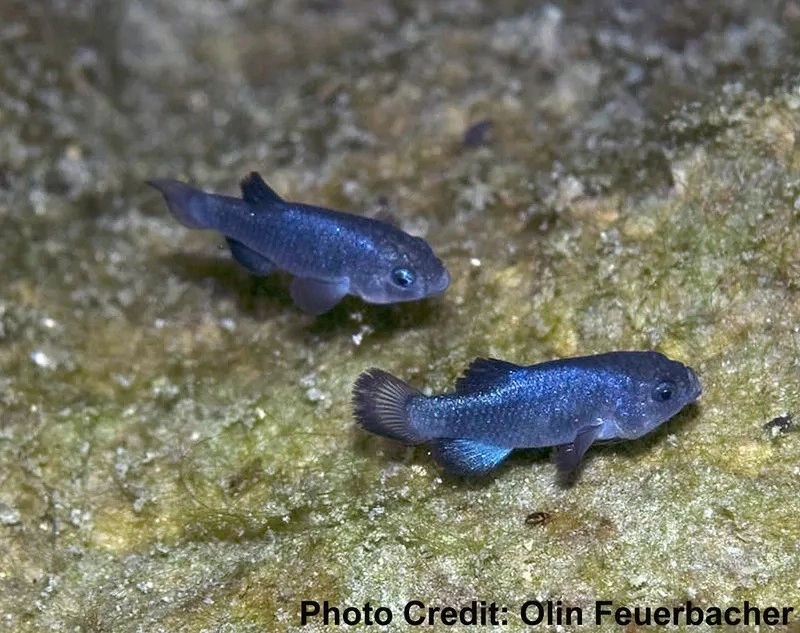
The Devils Hole pupfish depends on a very small sunlit spawning shelf in Devils Hole, where even slight water-level drops can reduce breeding habitat and threaten reproduction.
Read more →
Authorities found about 55 grams of cocaine hidden inside a Styrofoam box of frozen fish during a cargo inspection.
Read more →
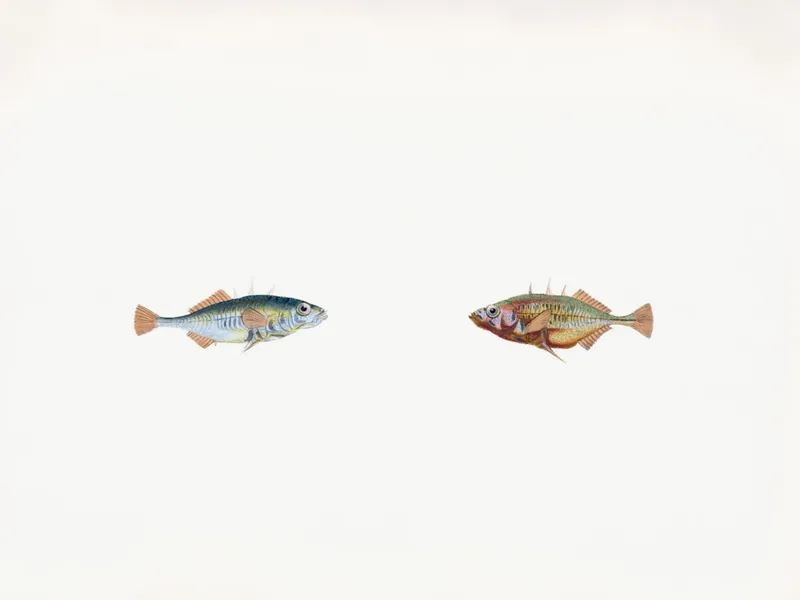
Some Alaskan stickleback fish evolved to lose much of their bony armor after becoming isolated in freshwater, likely because changing predation pressure made heavy plating less advantageous.
Read more →
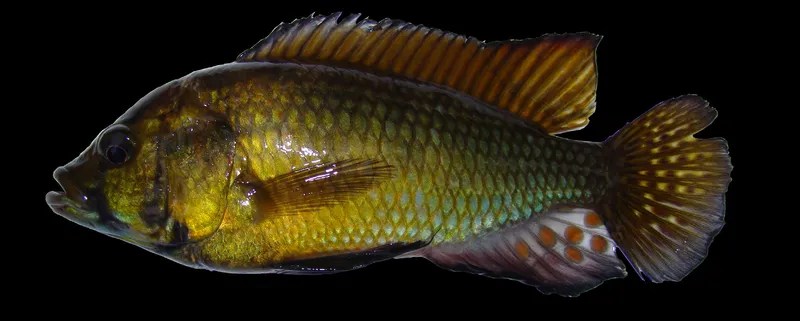
The East African cichlid Astatoreochromis alluaudi can reshape its pharyngeal jaw in response to a snail-heavy diet, improving its ability to crush hard shells.
Read more →
Deep-sea fish use bioluminescence as a practical adaptation for hunting, communication, and defense in dark waters.
Read more →
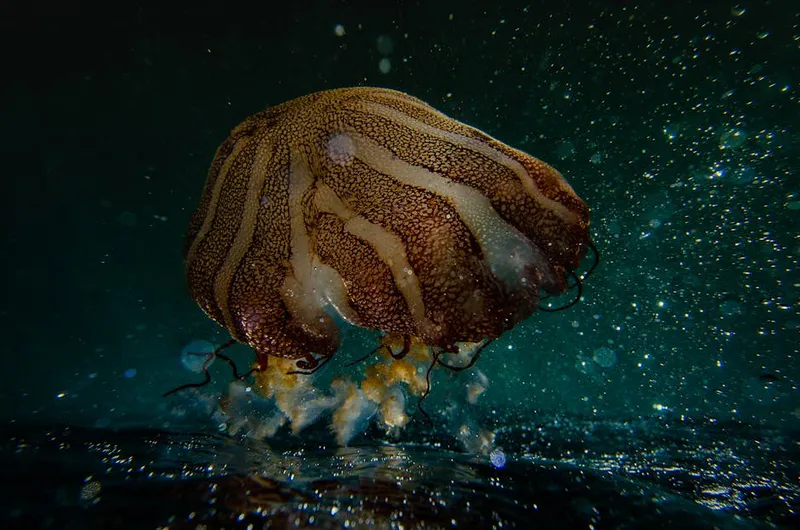
Turritopsis dohrnii, often called the “immortal jellyfish,” can reverse its life cycle after adulthood and return to an earlier stage under certain conditions.
Read more →
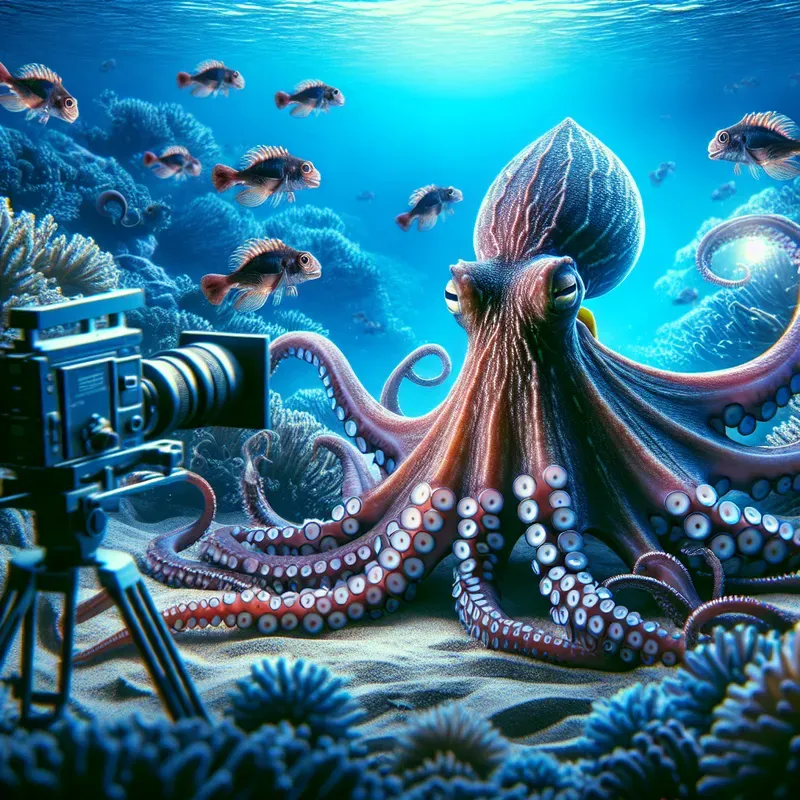
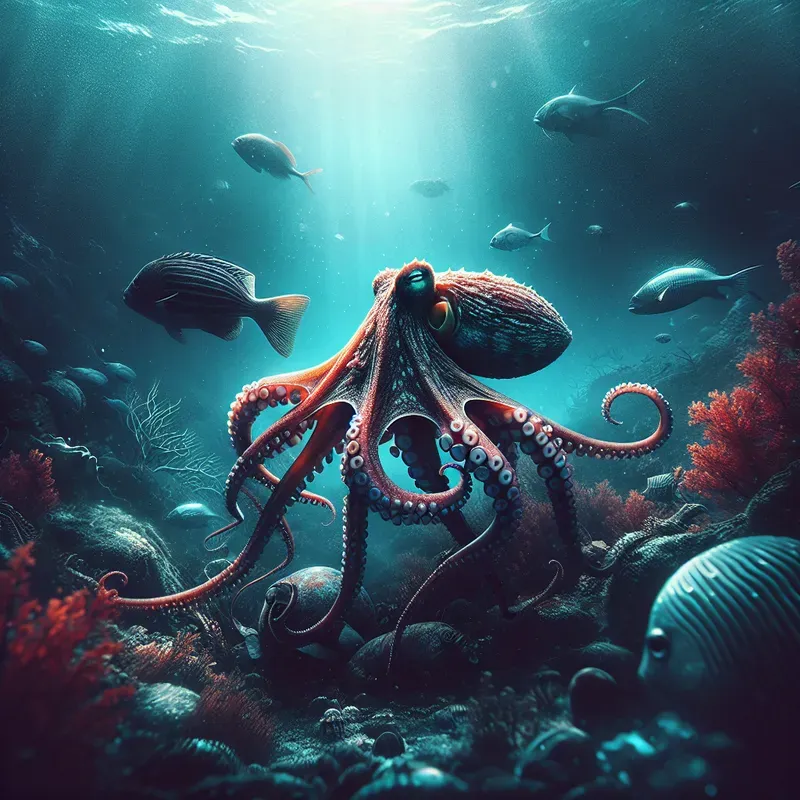
The mimic octopus (Thaumoctopus mimicus) defends itself by changing color, posture, and body shape to imitate other marine animals such as lionfish, sea snakes, and flatfish.
Read more →
The mimic octopus defends itself by camouflaging and by impersonating other animals such as lionfish, flatfish, and sea snakes.
Read more →
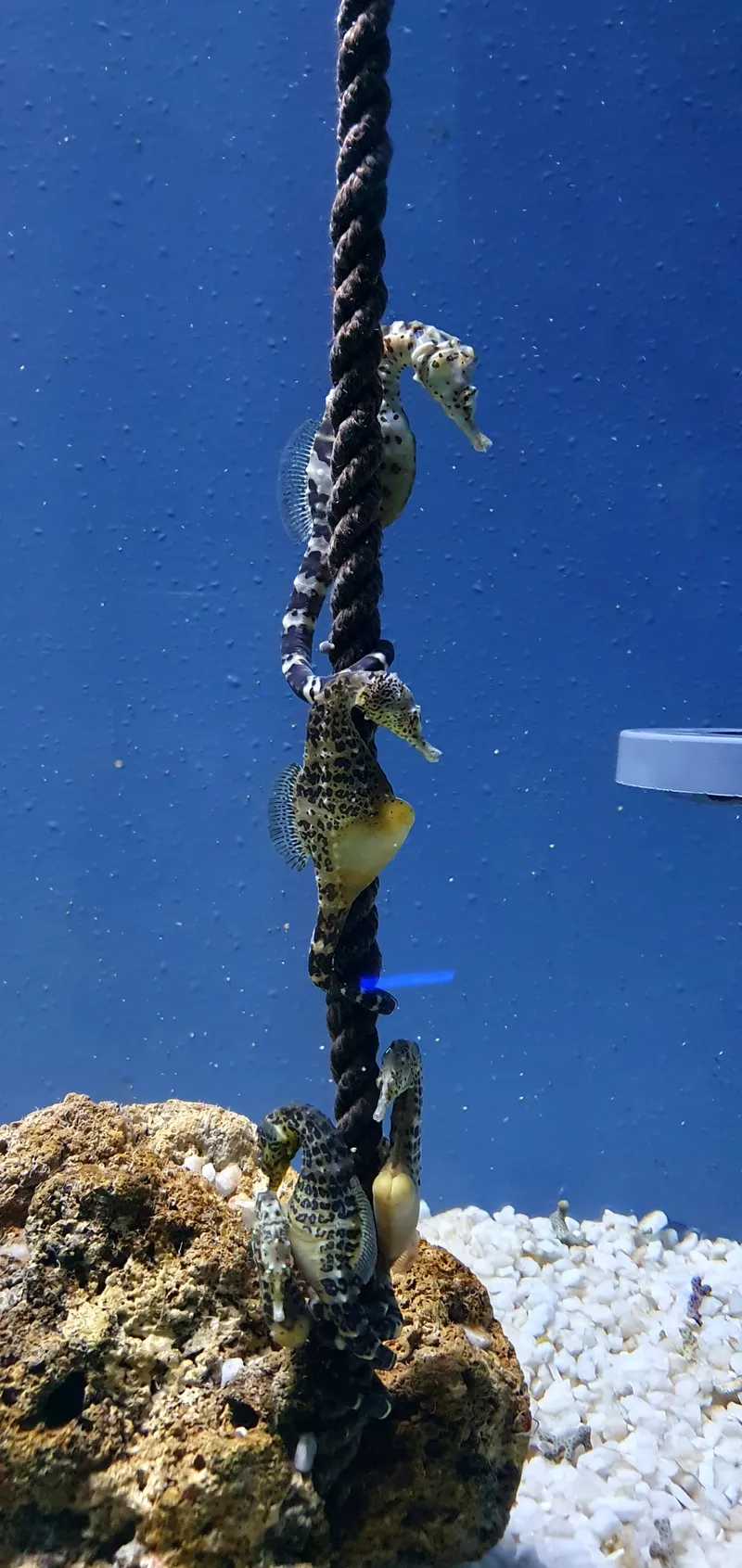
In syngnathid fish such as seahorses, males brood fertilized eggs in a specialized reproductive structure and later release fully formed young.
Read more →