space25 Oct 2026
Apollo 17 Lunar Sample Opened After 50 Years
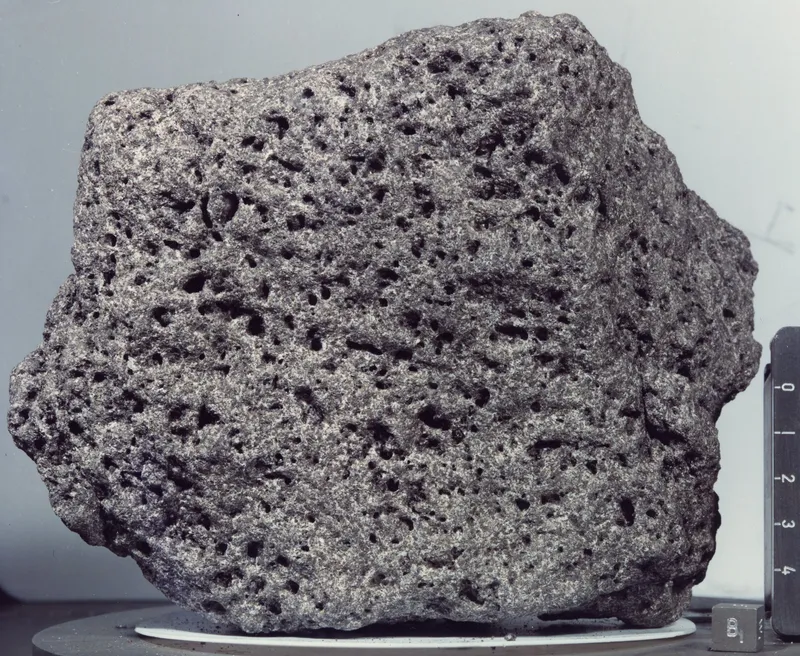
NASA opened Apollo 17 core tube 73001 in 2022 to study lunar material and trapped gases that had been sealed since 1972.
Read more →
CurioWire publishes fresh curiosities from science, history, nature, technology, space, culture and more. Each day we share short, fascinating stories, unusual discoveries and remarkable facts from around the world. Explore daily curiosities and discover something new.
NASA opened Apollo 17 core tube 73001 in 2022 to study lunar material and trapped gases that had been sealed since 1972.
Read more →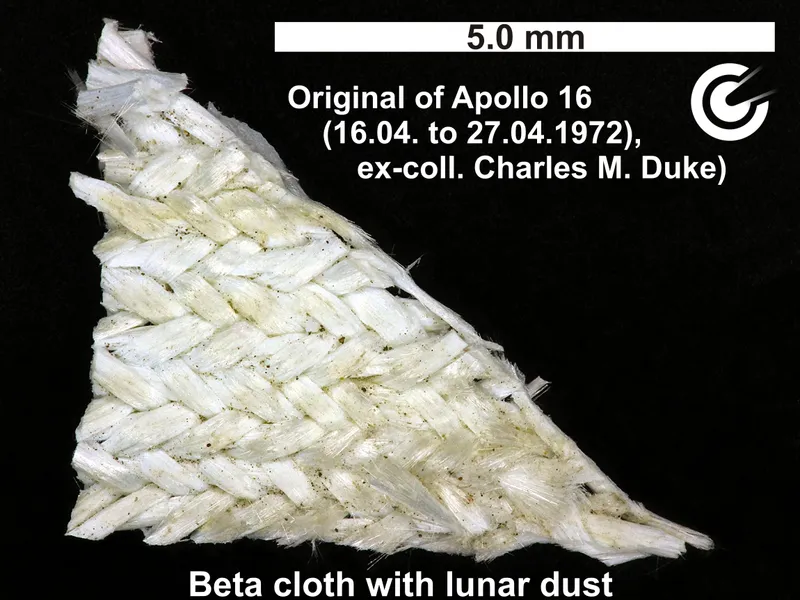
Apollo 12 revealed that lunar dust was a significant engineering problem because it clung to gear and crew equipment, leading NASA to improve dust-control procedures for later Moon missions.
Read more →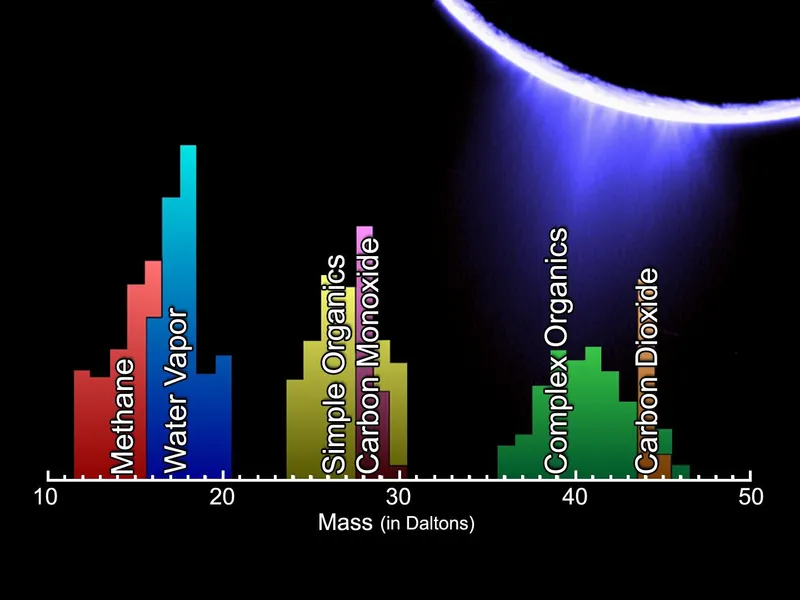
Cassini detected tiny silica nanoparticles in Enceladus’s plume, providing evidence that warm water inside the moon has interacted with rock through hydrothermal activity.
Read more →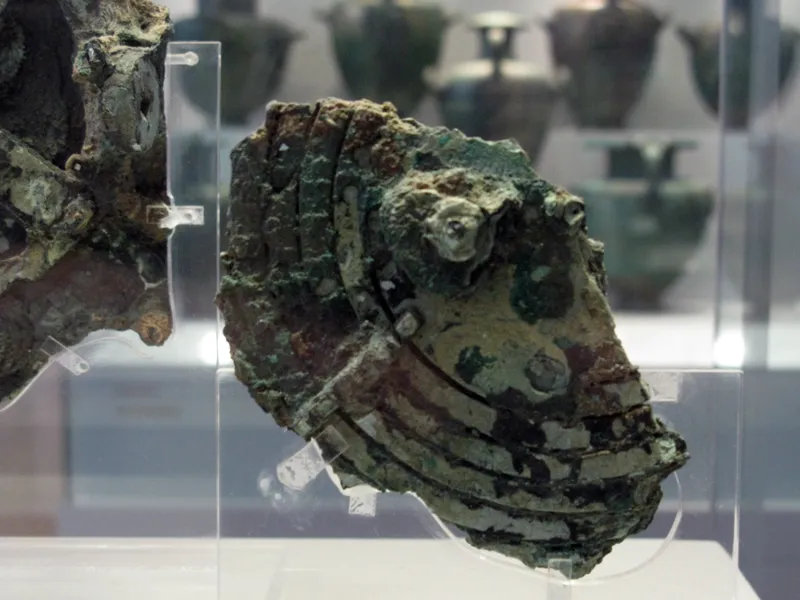
The Antikythera mechanism was an ancient Greek bronze device with at least 30 gears that modeled astronomical cycles, including the motions of the Sun and Moon and eclipse patterns.
Read more →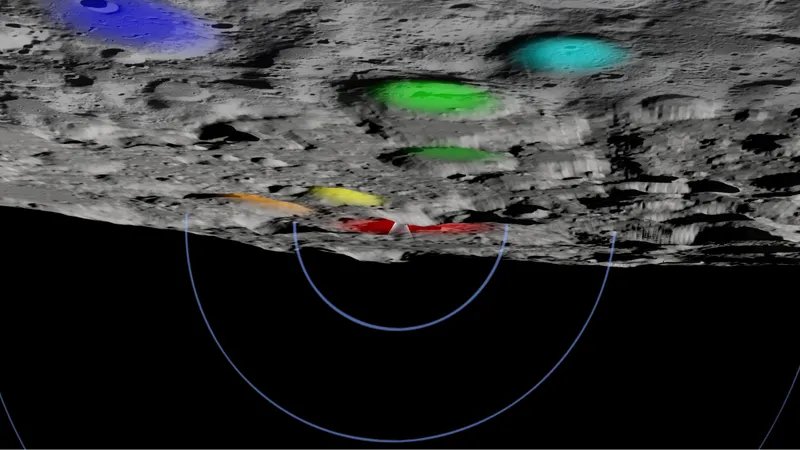
NASA’s LCROSS mission deliberately crashed a rocket stage into a lunar crater and confirmed that water was present in the resulting plume, showing that some permanently shadowed regions on the Moon contain substantial ice.
Read more →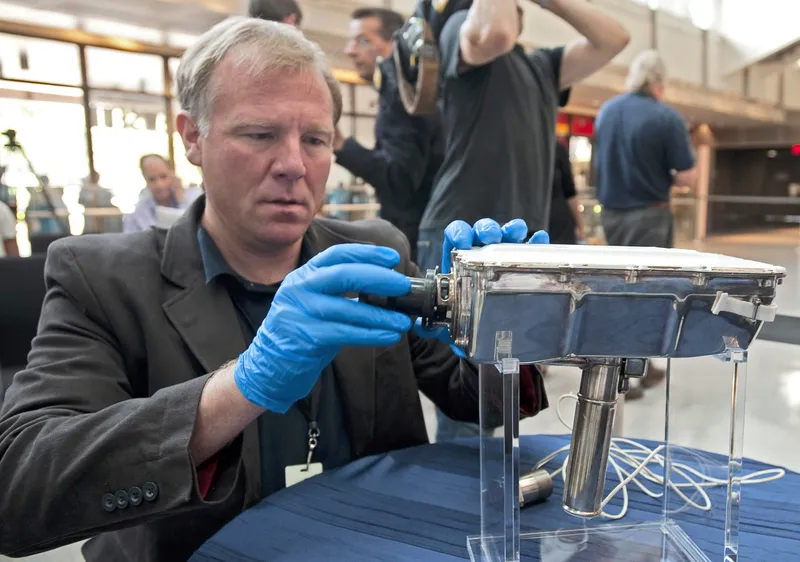
Apollo 11’s original SSTV moonwalk source tapes are missing, so the footage people usually see is a lower-resolution broadcast conversion of the live lunar TV signal.
Read more →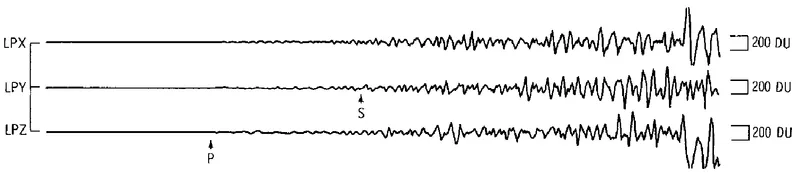
The article explains how Apollo seismic experiments showed that the Moon experiences impacts and quakes whose vibrations can persist unusually long, revealing a dry, fractured interior that makes the Moon seem to “ring.”
Read more →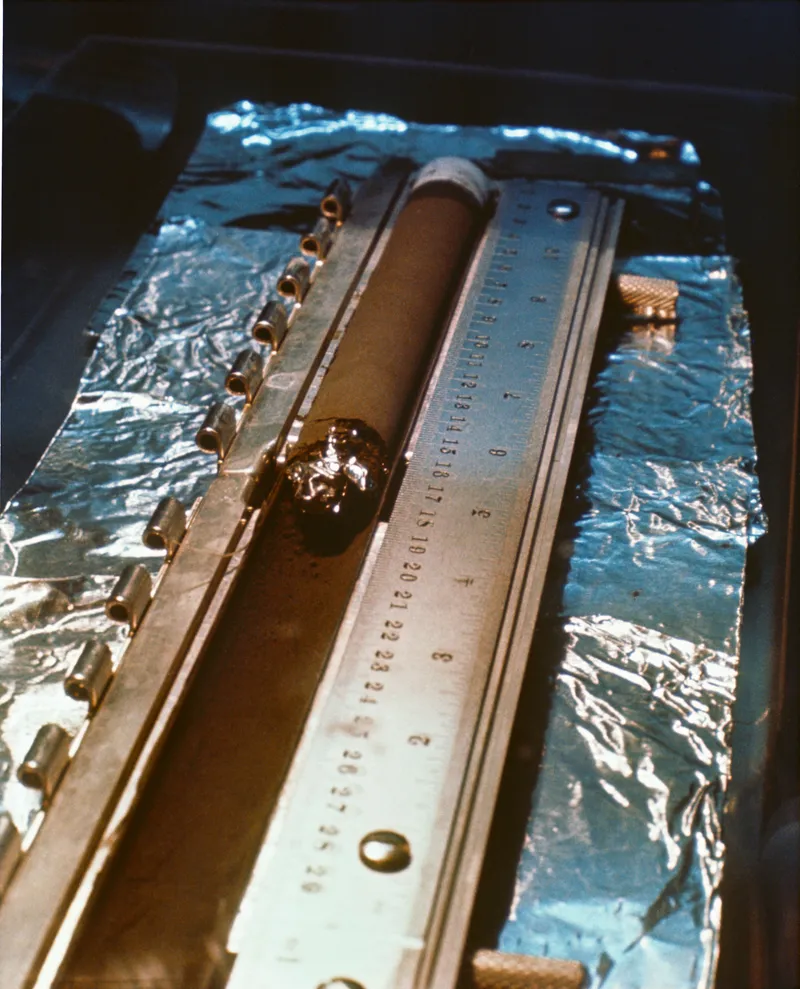
Apollo 17 core sample 73001 is a rare Moon sample sealed in vacuum on the lunar surface and later opened to study trapped gases and lunar volatiles.
Read more →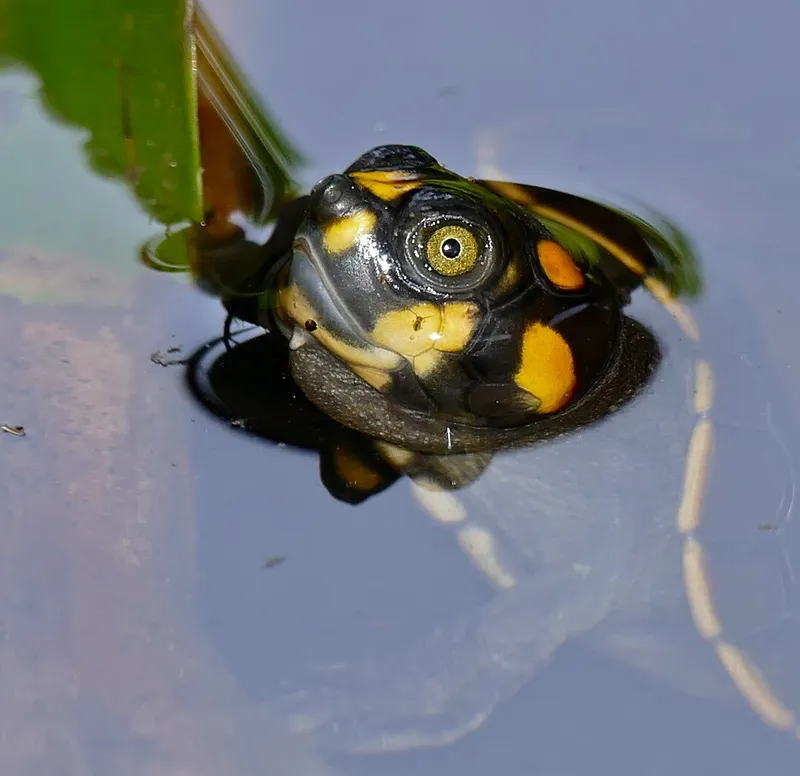
Researchers have observed that yellow-spotted river turtles nest more often near the full moon and that many hatchlings emerge together in a single-night burst.
Read more →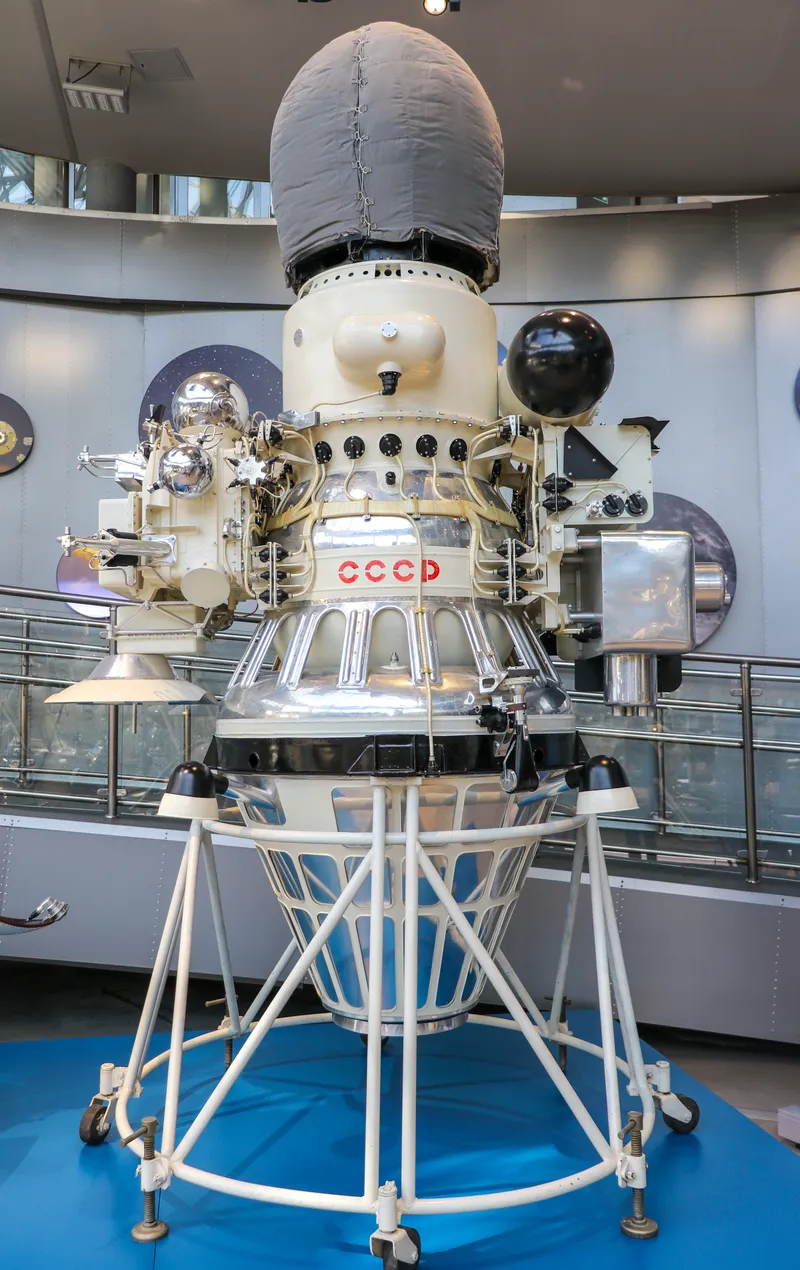
Luna 9 became the first spacecraft to make a soft landing on the Moon, and Jodrell Bank later decoded its image signals to publish the first lunar surface panorama before the Soviet release.
Read more →It marked the first calm verbal sign of the Apollo 13 crisis, signaling that an oxygen tank explosion had turned a Moon mission into a fight to keep the crew alive.
Read more →
Luna 3’s 1959 mission photographed the Moon’s far side by developing, scanning, and radioing images from inside the spacecraft instead of sending film back to Earth.
Read more →
The article explains how Galileo’s discovery of Jupiter’s four moons was tied to patronage, since he named them the Medicean Stars to honor the Medici family and support his career.
Read more →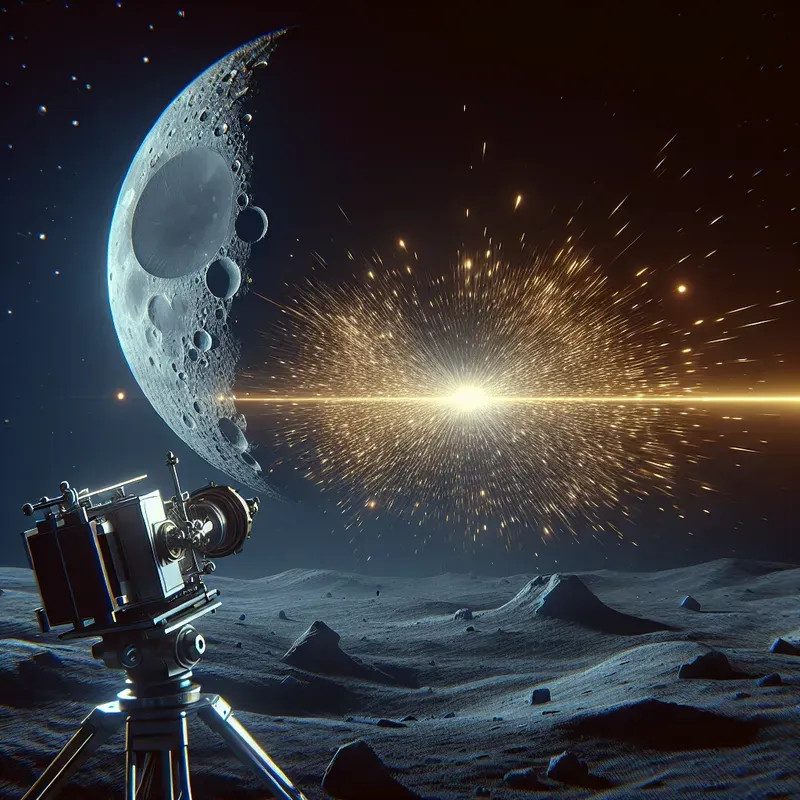
The article highlights how compact space instruments have produced outsized scientific discoveries by measuring dust, water, minerals, magnetic fields, elements, and radiation across multiple missions.
Read more →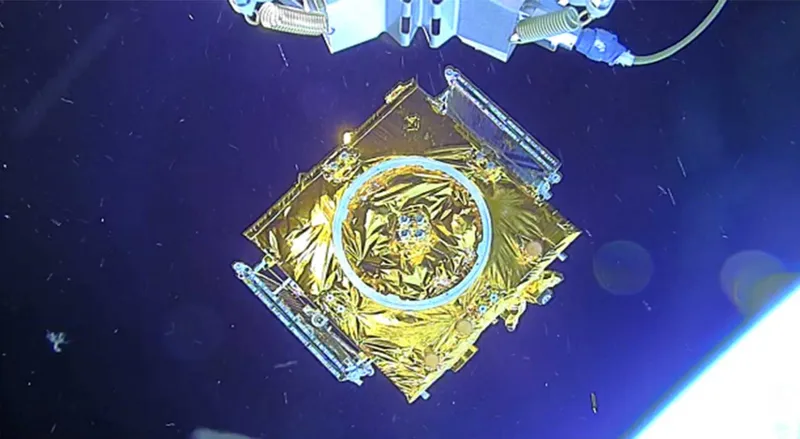
China’s Chang’e 4 mission used the Queqiao relay satellite to maintain communications with the Moon’s far side during its landing and rover operations.
Read more →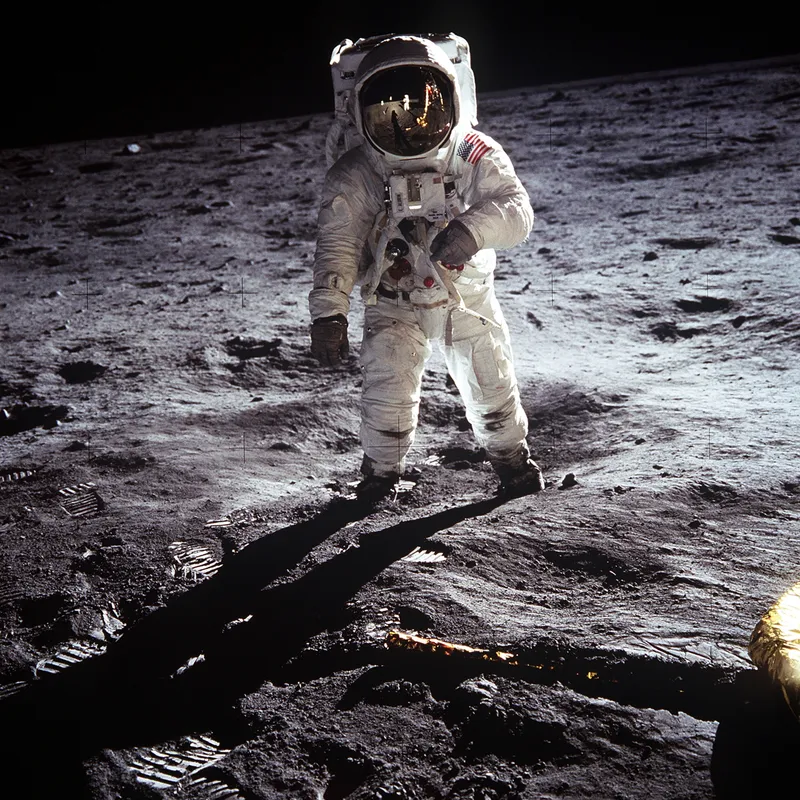
The 1979 Moon Treaty proposed an international framework for using lunar resources, but key space powers never ratified it, leaving current rules over Moon mining unsettled.
Read more →
Modern lunar imaging relocated Lunokhod 1, allowing scientists to use its onboard laser retroreflector again for lunar laser ranging.
Read more →
The 1835 New York Sun “Great Moon Hoax” falsely reported that astronomer John Herschel had discovered life on the moon, and the fabricated story was widely believed.
Read more →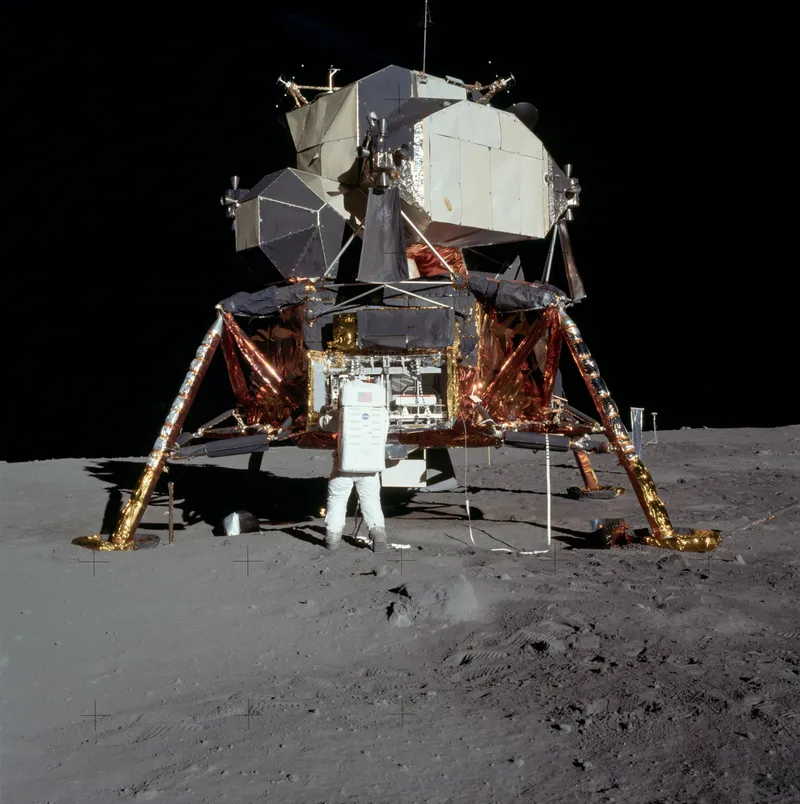
NASA’s Artemis program is designed to enable repeated lunar missions, a sustained human presence on the Moon, and future deep-space exploration.
Read more →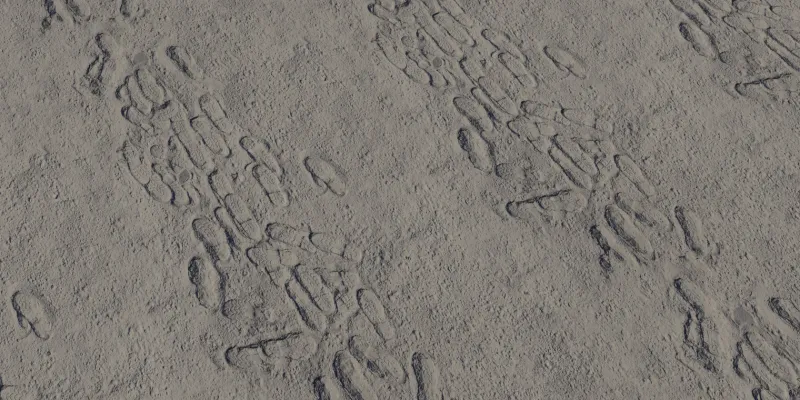
Lunar footprints can stay visible for a very long time because the Moon lacks wind, liquid water, and most other surface-erasing processes found on Earth.
Read more →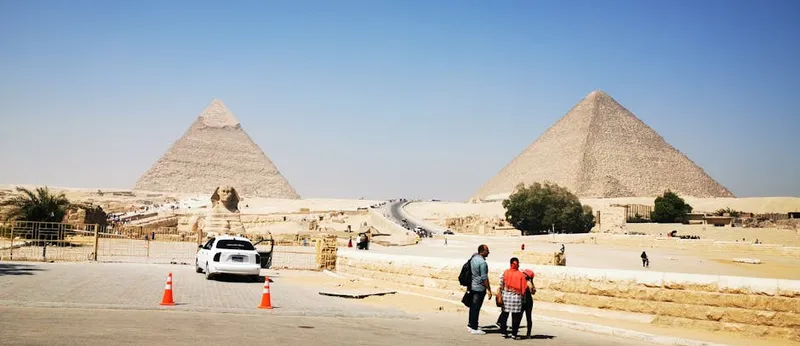
The article explains that Cleopatra lived much closer in time to the Moon landing than to the construction of the Great Pyramid of Giza.
Read more →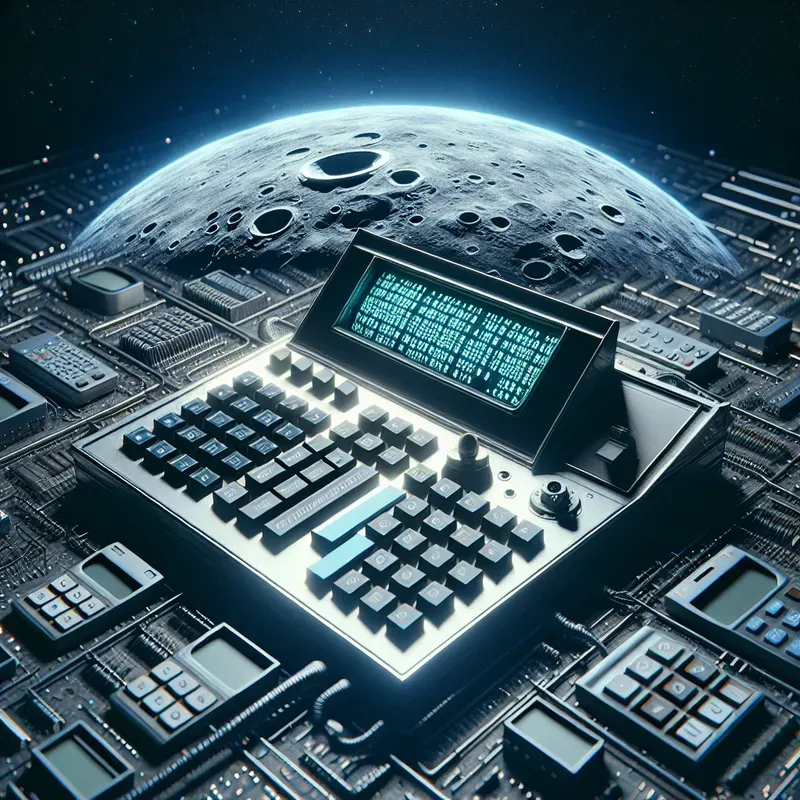
The Apollo Guidance Computer helped guide Apollo 11 to the Moon using limited memory and processing power, but it was purpose-built to perform its mission reliably.
Read more →
Tina Watson died while scuba diving on her honeymoon, and the case later became a disputed criminal matter that ended with Gabe Watson pleading guilty in Australia to manslaughter.
Read more →
Saturn currently has 285 confirmed moons, and the article explains that the total keeps changing as better observations and stricter confirmation reveal smaller satellites.
Read more →